
 Continue with onX Maps
 Sign in with Facebook






New and Experienced Climbers Over 50 #8



|
rgold wrote: Well said. As to Dunsel's opinion.... The concept that getting out and climbing is the only way to improve (or be a better climber) was debunked decades ago. And, there are a number of people who have chimed in at times on this Thread that have a lot of experience and wisdom to impart, particularly for older folks who may be new to the sport or are looking for advice on getting back into climbing after a layoff. |
|
|
ErikaNW wrote: Something that hasn't been directly said... "positive' and 'nice' are intentional choices we seem to have made. Any of us can be otherwise, we all have a shadow... It's actually true, I've never met a mean, unkind or hostile climber. But if I did, I would walk away. |
|
|
Erika, thanks! Have seen folks doing that exercise. Will try it! |
|
|
Erika, Tried it. Fun and challenging. You can feel it working that posterior chain. Started light to get the form/balance down. Began to work up quickly. Will definitely become part of my regular routine. |
|
|
I've been reading through The Rock Climber's Exercise Guide by Eric Horst. I don't know where things went wrong... There are a number of self-assessments, from Mental Skills, Technical Skills, Injury Risk etc. One of the self-tests is "General Fitness". I don't even want to say where I fall on the scale... but let's just say it is strongly advised to avoid climbing. Now I'm with Dallas... something's not right. 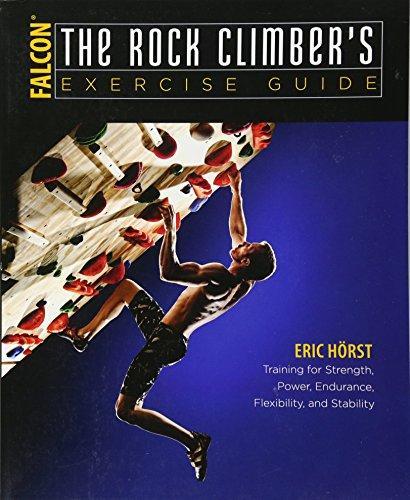 |
|
|
Lori Milas wrote: I've been reading through The Rock Climber's Exercise Guide by Eric Horst. I don't know where things went wrong... There are a number of self-assessments, from Mental Skills, Technical Skills, Injury Risk etc. One of the self-tests is "General Fitness". I don't even want to say where I fall on the scale... but let's just say it is strongly advised to avoid climbing. Now I'm with Dallas... something's not right. The guy who started the thread, " How to keep people out of Climbing" |
|
|
Missed the walk off yester didn't want to do the slabs descent and paid the price. I hate brush! 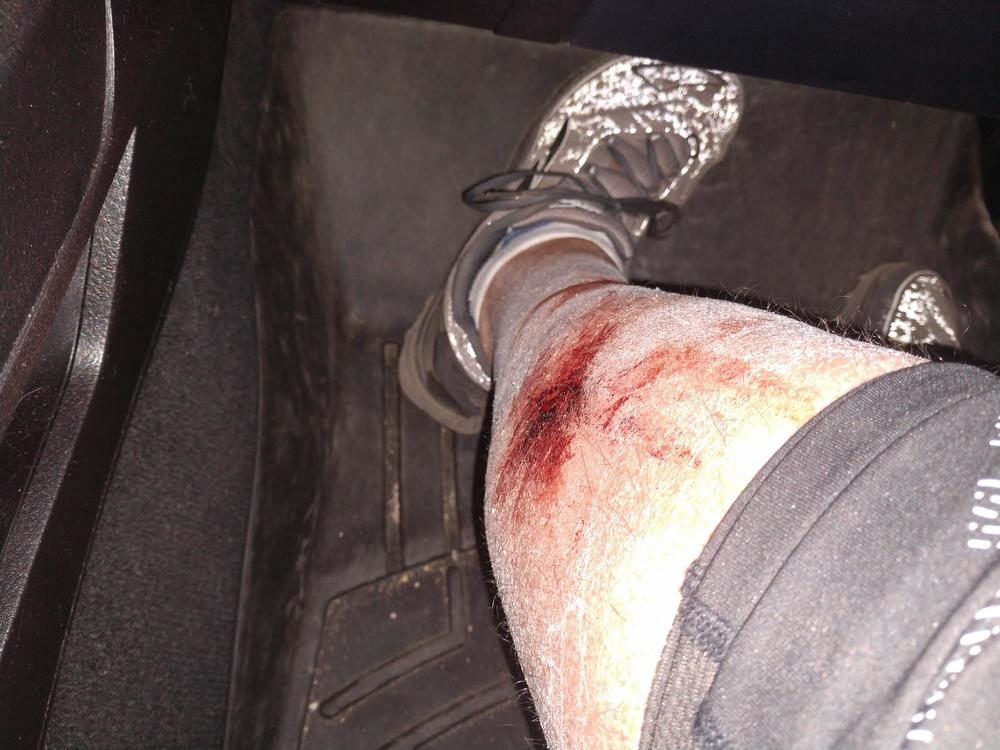 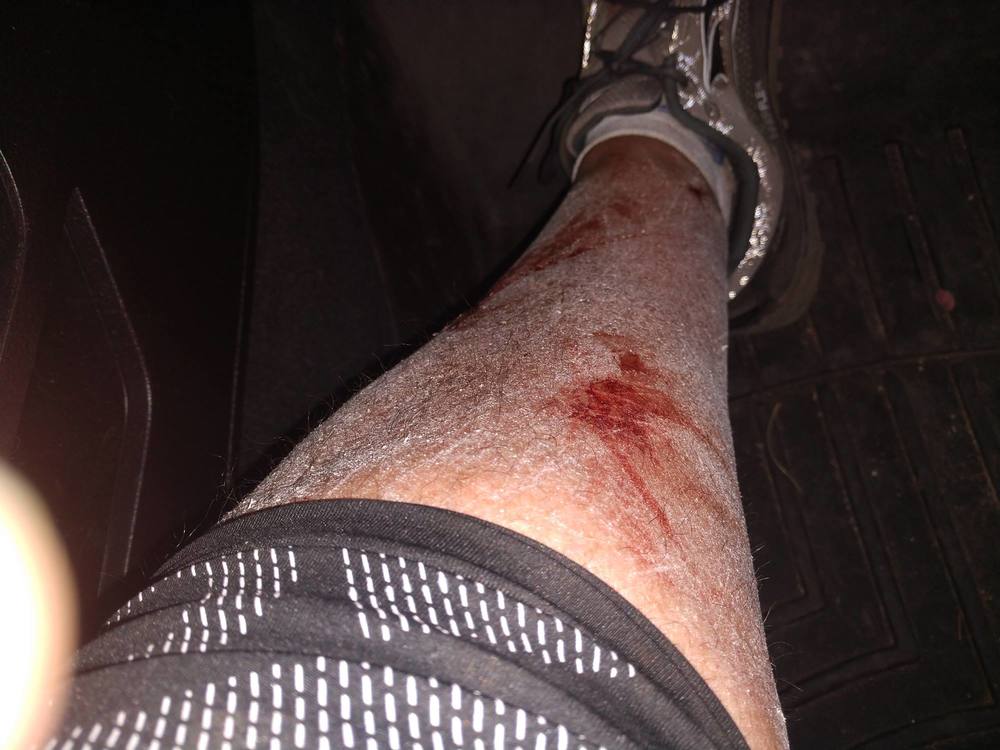 |
|
|
running fcks you up... speed walking is much better for you. |
|
|
yikes! your in Nevada. busting brush like that can git you snake bit! easterner afraid of buzz worms speaking ;) |
|
|
It was from a 3-4 pitch route up in South Tahoe by Myers. It had a slabs descent that I didn't want to subject my knees to. Or rap the route but needed a 70 meter rope we had a 60. |
|
|
Yeah, I bleed just thinking about bushwacking! It took me many times of tearing myself up before I stopped wearing shorts climbing. |
|
|
My favorite peice of rock. 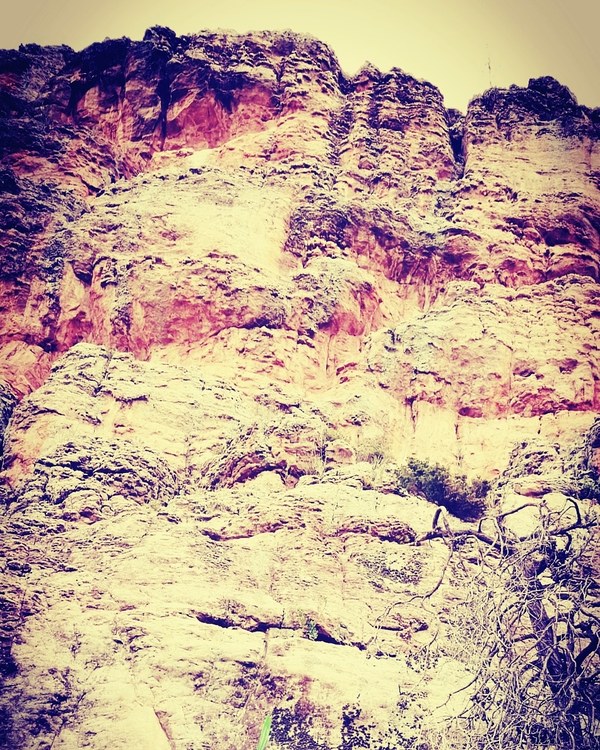 |
|
|
Lori Milas wrote: I've been reading through The Rock Climber's Exercise Guide by Eric Horst. I don't know where things went wrong... There are a number of self-assessments, from Mental Skills, Technical Skills, Injury Risk etc. One of the self-tests is "General Fitness". I don't even want to say where I fall on the scale... but let's just say it is strongly advised to avoid climbing. Now I'm with Dallas... something's not right. |
|
|
Lori if you look at Eric's website he definitely is on the higher end of the training spectrum. Now I have not read his book but from some of his podcasts he gets deep into the physiology of climbing. These assessments are baseline to track how someone responds to training. Following the SAID principle (Specific Adaptation to Imposed Demands) this is were climbing fitness plans really benefit someone that meets this criteria. That doesn't mean those of us who don't won't benefit but we might be better off working on more general strengthening and conditioning along with climbing movement training. A few years ago I had my best season in a long time after following a general strengthening program combined with gym climbing. The other thing to keep in mind someone who has a body fat % below say 15% they are close to the desired body composition for climbing hard routes and will benefit from more specific climbing related training. Carrying extra weight could predispose someone to injury particularly fingers, elbows and shoulders if we don't have the foundation strength. |
|
|
Looking for anyone who has continued climbing after being diagnosed with Coronary Artery Disease (CAD). This is a recent development, obviously been progressing for some time. The angiogram showed the left descending coronary artery is 60% blocked. I did not have a heart attack per say and do not have chest pain or any of the associated symptoms. The main thing I experience is shortness of breath and even this varies. They did a perfusion test which found the blood flow post blockage was close enough to the pre-arterial flow so no stent was put in, which I guess is a good thing long term. So I am managing CAD with statins and low dose beta blocker. I have tried some easy bouldering drills and feel pretty good overall. Just looking for others experiences not seeking medical advice on the interwebs. Cheers, Peter |
|
|
Peter, one of my regular partners (age 68) has had two coronary events (last one 8 years ago), and has stents. Last March he had a mild stroke and was back to climbing two months later. He continues to lead .10+. He has great doctors who understand his climbing activities. He watches his diet very closely and restricts alcohol consumption to one beer a day. Good luck with your climbing. |
|
|
Peter, don't get discouraged. I'm pretty sure everyone in this thread is continuing to climb, with something, some of us have rather a long list, lol! Younger people too. Most inspiring to me, was the young guy who climbed with a chemo port and yes, all that implied. Until he was gone. |
|
|
Peter D. wrote: Lori if you look at Eric's website he definitely is on the higher end of the training spectrum. Now I have not read his book but from some of his podcasts he gets deep into the physiology of climbing. These assessments are baseline to track how someone responds to training. Following the SAID principle (Specific Adaptation to Imposed Demands) this is were climbing fitness plans really benefit someone that meets this criteria. That doesn't mean those of us who don't won't benefit but we might be better off working on more general strengthening and conditioning along with climbing movement training. A few years ago I had my best season in a long time after following a general strengthening program combined with gym climbing. The other thing to keep in mind someone who has a body fat % below say 15% they are close to the desired body composition for climbing hard routes and will benefit from more specific climbing related training. Carrying extra weight could predispose someone to injury particularly fingers, elbows and shoulders if we don't have the foundation strength. Peter, thank you! I’m REALLY having fun with this. My new goal in life is to get ONE pull up in the bag. And now I need a definition of “jogging “. If it’s a slow trot I’m probably in the game.... if it’s a gallop I’m out.In 6 weeks I’ll be back out climbing. It helps to have goals. This morning I’m out “jogging” in some beautiful hills. HOWEVER 15% body fat ain’t never gonna happen! That’s for another lifetime. 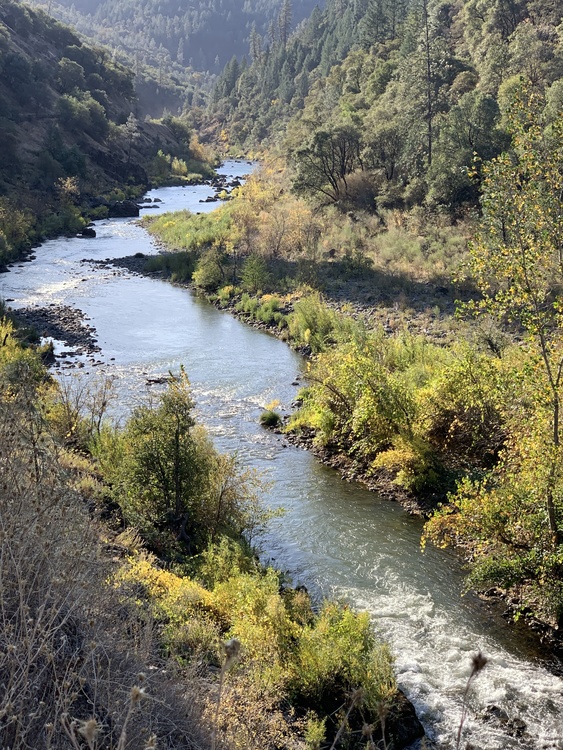 |
|
|
Old lady H wrote: Peter, don't get discouraged. I'm pretty sure everyone in this thread is continuing to climb, with something, some of us have rather a long list, lol! Younger people too. Most inspiring to me, was the young guy who climbed with a chemo port and yes, all that implied. Until he was gone. Hey! We could all report in with our list of old-people diseases. I have Type 1 Diabetes. That’s it for now.I know some here are “tore up from the floor up” as my son would say. And still climbing hard... |
|
|
Lon nice bushwacking scratches. Oak brush and mesquite bushes are the worst. And the fun part is to be standing in line at the grocery store the next day and have the people behind you staring at you and whispering to each other. Finally they get up the courage to be rude and forward and say; "Excuse me sir, but you are bleeding!". You look down and sure enough the bushwacking wound is leaking into your socks. You blush, apologize, pull out your hanky or kleenex and mop it up. Then you wonder if you really need the blood thinners your doctor has you on. |


