
 Continue with onX Maps
 Sign in with Facebook






Dog tags



|
Sheesh! We never seemed to have this problem way back when. . . |
|
|
Steve Williamswrote: Are you talking about your prostate again? |
|
|
Steve Williamswrote: What about plaques at Indian Creek? Folks have been creating and placing them while others were destroying them for at least thirty-five years. |
|
|
highaltitudeflatulentexpulsionwrote: Compared to some stoner "artistically" tagging each route with the wrong information? I mean, if it's so easy to do a bad job describing a route on MP (and it obviously is), who's to say it won't be the same person doing a bad job on the physical tags? At least on MP, you can easily edit/correct/improve a route description without any special tools. |
|
|
Brandon Rwrote: Because you just put the route name on the tag, not a novel... The pearl clutching is crazy in this thread haha |
|
|
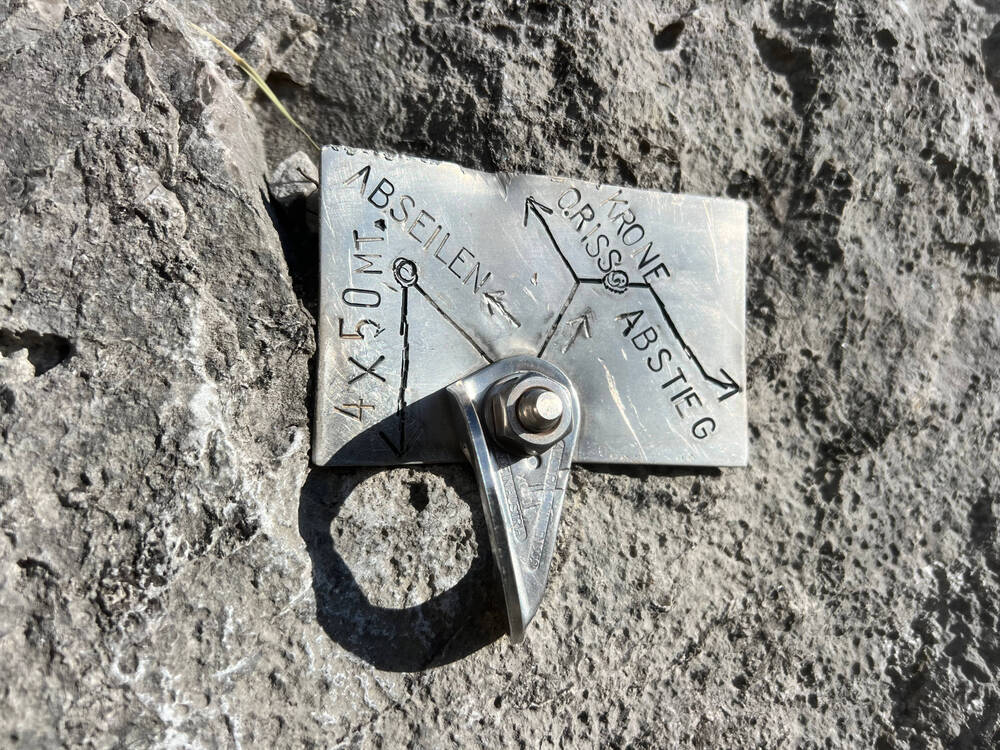   different euro tags... more locally we have the bachar saxophone rock at dike wall (unfortunately, i can't find the pics i took of it)... |
|
|
I'm reminded of the new gunks signs at the head of each stairmaster up to the crags. They look like amusement park signs. Varnished looking plastic. Eww. Those "dog tags" are dog shit. They should take a hint from the RRG wooden signs. Those are more aesthetic at least. But this is nature, not a suburban house, or even a bedouin tent in a desert. There is no obligation to lay down the mat and make guests from out of town feel comfortable. The law of the natural world is adaptation, not civilization. Isn't that the whole point of preserves or parks? To set aside a part of the world to be explored, not to impress ourselves onto nature, but rather to let nature imprint itself onto us. Bolts (instead of tree anchors), and well maintained trails and trailblazers (instead of 20 different trails to one spot), are all small, but purposeful exceptions that are in the explicit service of preserving the nature and access. But tags and amusement park signs are a bridge too far. The crag isn't a subway that needs a big plastic sign laying out the whole system, and the routes aren't rollercoasters that each need to be named and marked with bright plastic colors. I'll also add that many here might take for granted that route identification is a life saving skill. Beginners need to learn it at the crags, not when they're 10 pitches off the deck. |
|
|
The tags at epc were super helpful. |
|
|
Connor Dobsonwrote: Let's not forget who is making the claim that climbers are too stupid to use a guidebook + MP + their brains to find a route. Also, how would just the name help if you don't also have the book or MP, as the OP complains? Ohhh, I see... you're proving yourself right re my first sentence. 5D chess move there Connor haha. |
|
|
We hiked out to Mt wishIcouldtellya yesterday.  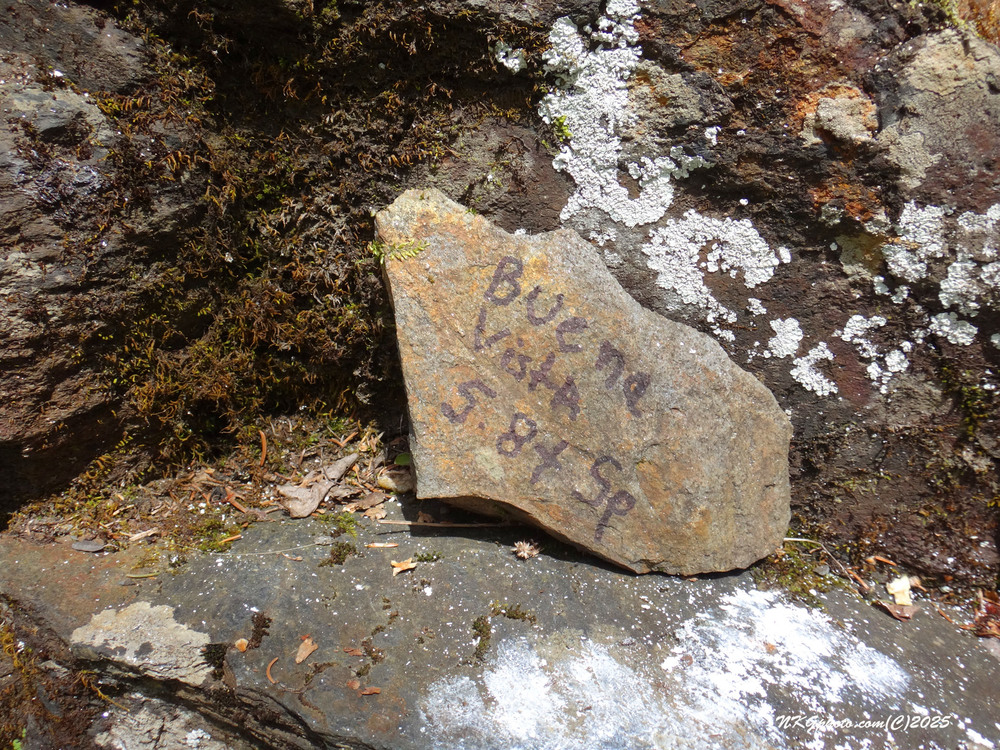  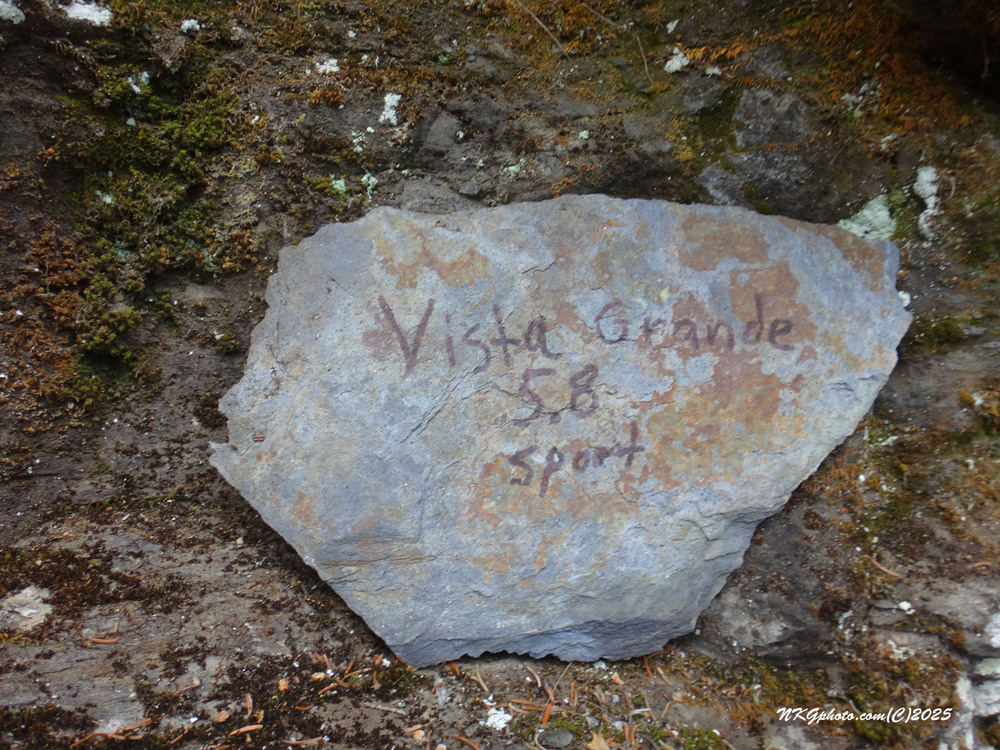 |
|
|
Nick Goldsmithwrote: I'm not sure the Sport tag is all that necessary, you can def see if a line has bolts on it or not but I guess it doesn't matter either way Edit: maybe if the bolts are painted and/or impossible to see I could see that |
|
|
Jared Kohliwrote: I think the area matters. Go to Maple Canyon and try to tell one line from another. I think the Creek has plaques partly because all the cracks can be similar without an anchor route. Not all crags need tags, but they help in some places. |
|
|
Jared Kohliwrote: All graffiti should be destroyed. |
|
|
Bolts are camoed. Weather it's sport or mixed is more important than the grade. It's a useful message on a tiny loose Rock. Get a Life. |
|
|
Nick Goldsmithwrote: One of the first sketchy situations I have ever been in climbing outside was not knowing Mixed routes were a thing - I hopped up on a mixed route with 1 bolt (was under the mindset that it was a fun looking line and it had a bolt so it must have been bolted and didn't want to ruin my immersion by checking the grade or beta on MP) and an anchor and ran out that bolt for like 40 feet or so. I absolutely would have broken something 80 feet off the ground on a route I had no business hopping on - lessons learned in Joshua Tree Might have been 60 feet since I think the first bolt was a good 15 feet up there and the anchor was HELLA up there - things seem a lot taller in ur memory when ur sketched out |
|
|
In the Blue Mountains in Australia it became a tradition to paint a small white square and the initials of the climb's name onto the rock at the base. I think there was a longer tradition of "blazing" hiking trails with squares or triangles. In the 1980s while producing a guidebook, Andrew Penney went out and did this systematically all over the Blue Mountains (and it sounds like this was also controversial at the time). Ironically people stopped doing it, so all the old trad routes have 'dog tags' and the newer sport routes since the 90's don't have them. It's true though, the problem with making things idiot proof, they make better idiots. One of the classic gumby self-sandbags at Mt Piddington is to get Angular Crack (5.6) confused with Amen Corner (5.10 with a runout wide section). Both are left-facing corners with painted tags that say "A.C."! |
|
|
thats just bad signage |
|
|
Jared Kohliwrote: Since you’re too lazy to read a little bit we all have to look at whatever ugly trash y’all leave in the woods now? |
|
|
wade. you need to travel a bit more, see the world. maybe climb out of the country.. a little note at the base of a sport climb is not trash. |
|
|
Nick Goldsmithwrote: What’s the point of camoing the bolts then? I feel like there’s a contradiction there. You want to keep the natural aesthetic, but then ruin it with a sign? By your logic, why go through the effort of camoing the bolts, if the sparkle of the bolt is “a useful message where to go”? |


