
 Continue with onX Maps
 Sign in with Facebook






Photos of BEAUTIFUL HARDWARE pt2


|
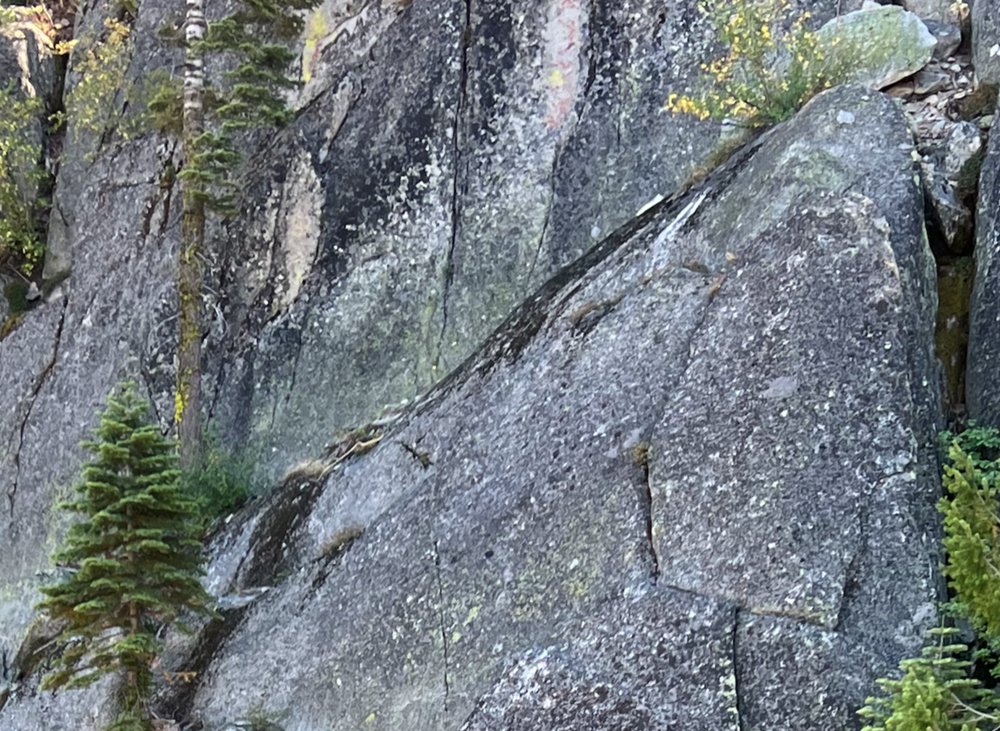
Galvanization (Zinc) can stain the rock, and kill lichens. It's super obvious on granite, but shows on other rocks types as well.
 |
|
|
Mr Rogers wrote: Did you miss the part in the above post about removing the zinc plating with vinegar and then painting the bare carbon steel? Or perhaps this is just a a general PSA? |
|
|
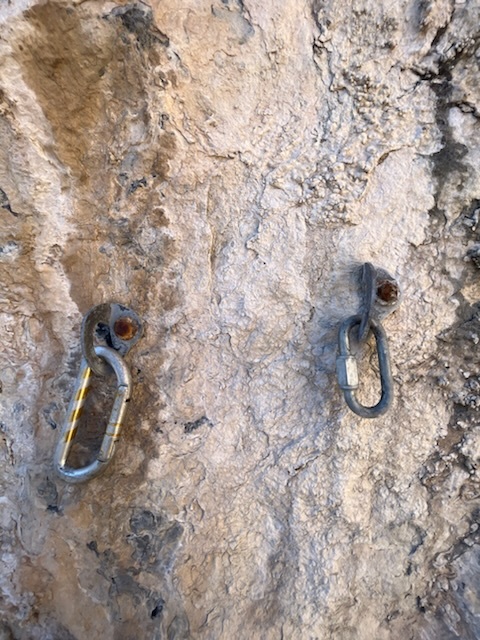 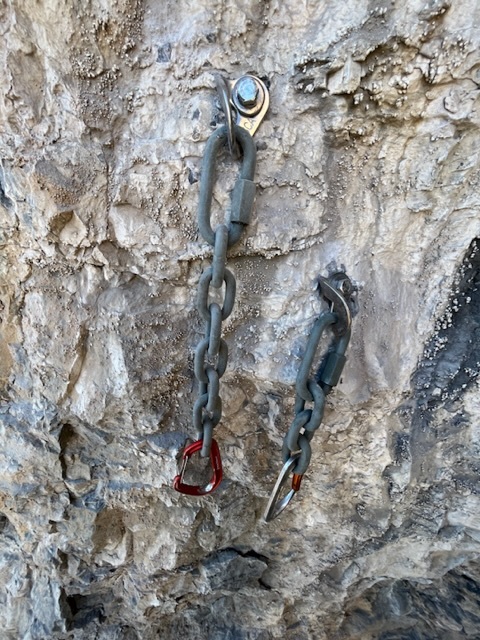 Belay station was relocated to a better location a few feet right of this original 30 year old manker. |
|
|
Here’s an anchor I recently installed. 8mm lappas solid leg glue ins with a 12mm lappas captive eye biner on the top bolt and a 10mm Climbing taiwan captive carabiner below. 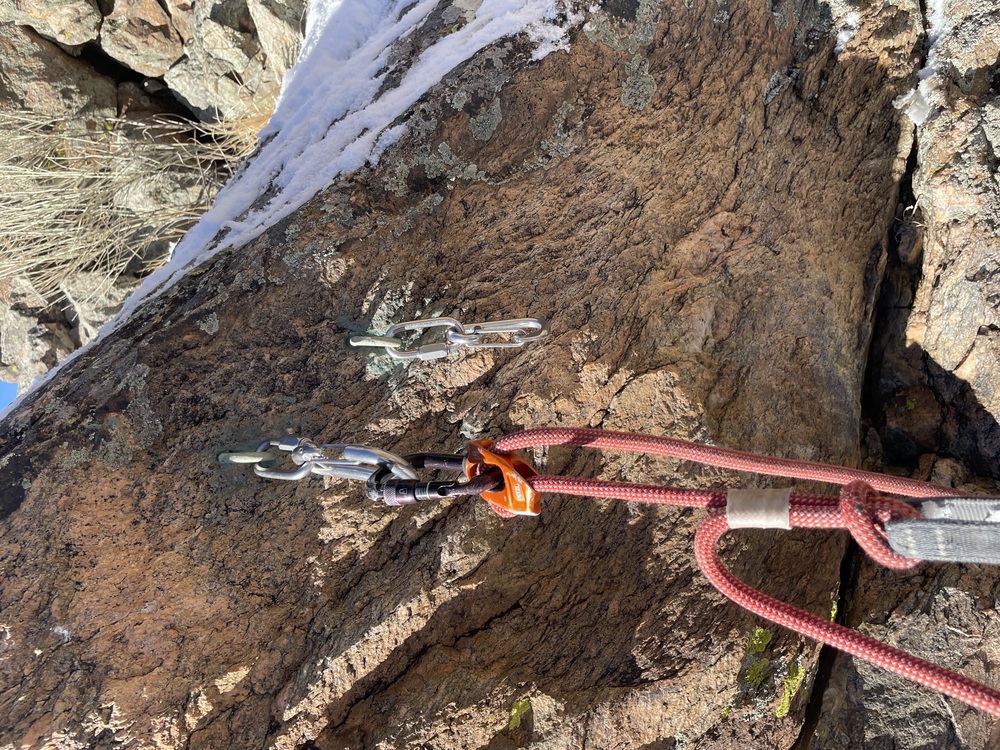 |
|
|
Hanger color match next to a piece of chert from the wall they’ll be going on. 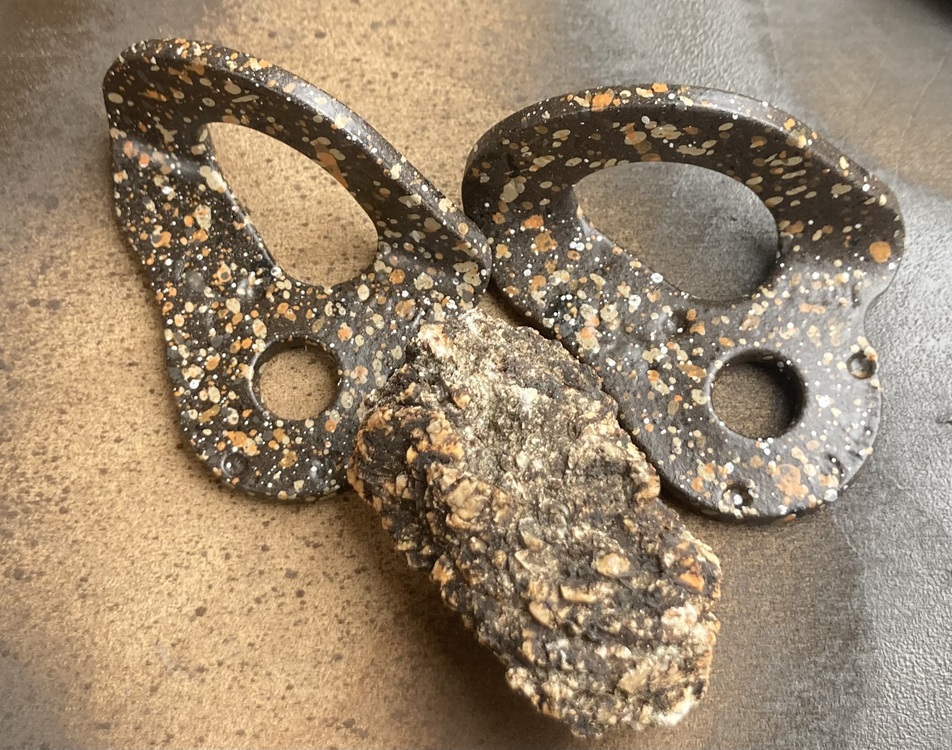 |
|
|
That’s an amazing camo job! (but that’s not chert) |
|
|
What’s the term for it? I’ve always heard it called chert on Nevada linestone |
|
|
I could be wrong! (But I did used to work as a geologist) What crag is it from? Pics? It appears very igneous… pegmatitic even… it that from a limestone crag in NV? |
|
|
Currently an undisclosed location crag that I haven’t got pictures of in Nevada but similar rock bands exist all around at Mt Potosi or Charleston. Grey linestone with mainly horizontal and sometimes vertical blobby banding of darker rock like thi. |
|
|
A new one from a multipitch today where minimizing visual impact is a top priority 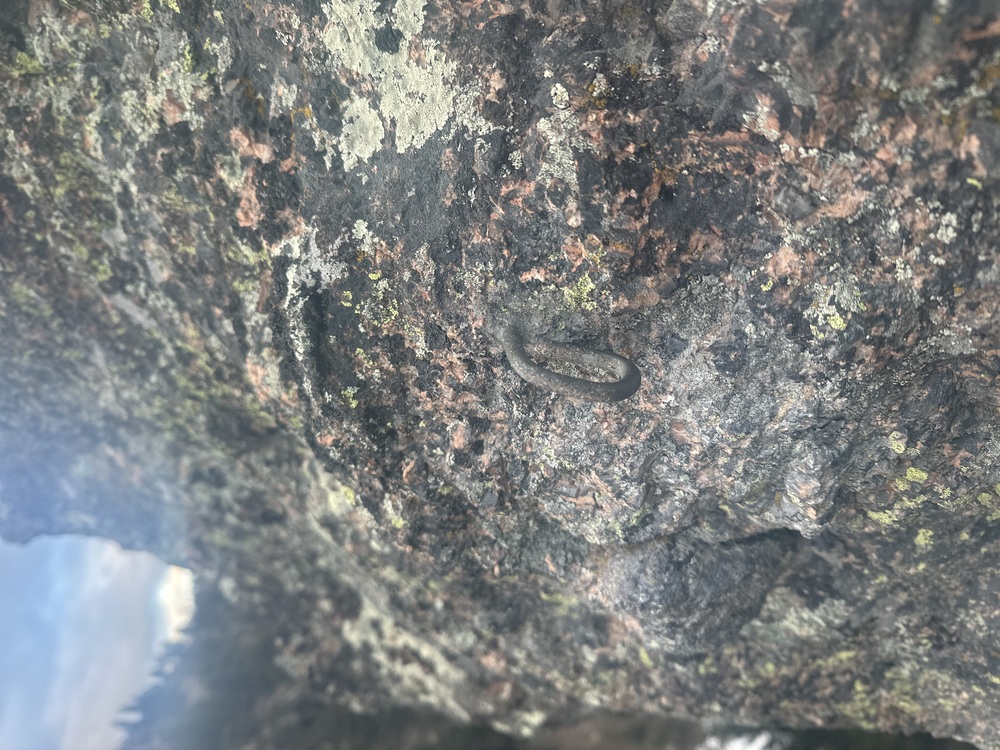 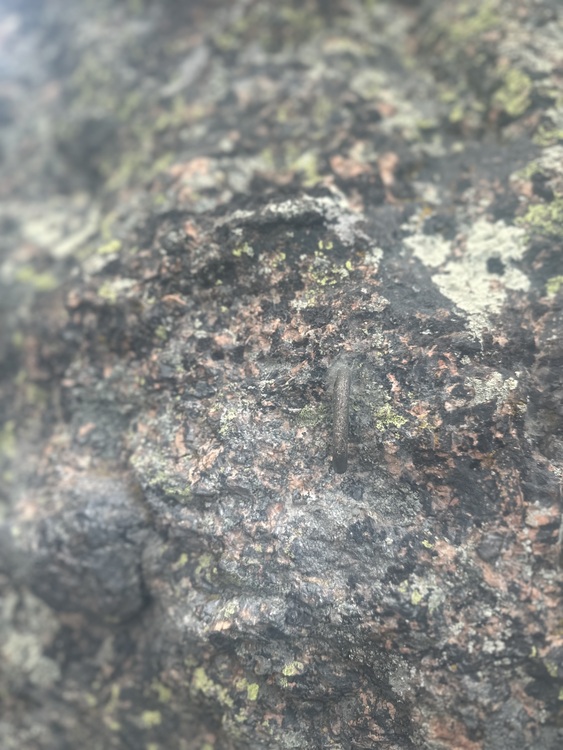 |
|
|
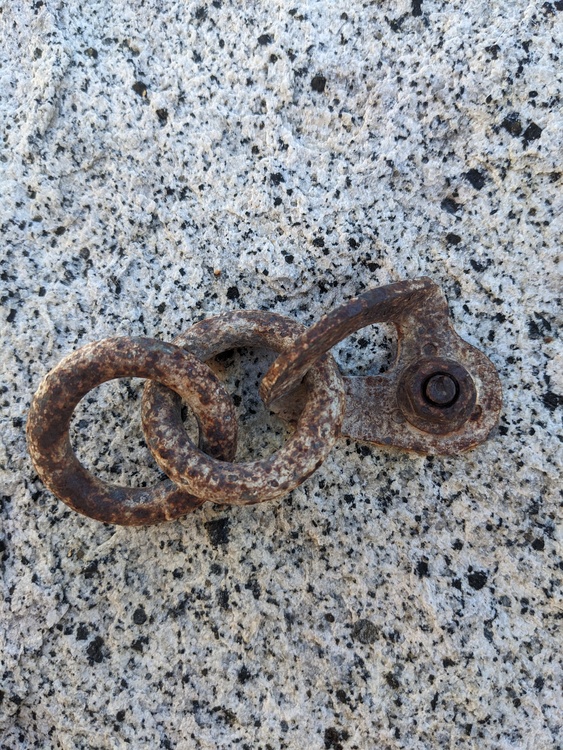 Great paint job or fascinating SS corrosion? |

|
With these truly impressive camouflage jobs does anyone worry that climbers will be unable to spot bolts and miss clips while climbing or looking for rappel anchors? Are we going a bit too far? |
|
|
climber pat wrote: I’ve had people miss the bolts on my routes a few times. It certainly puts the onus on the developer to put the bolts at expected places as much as possible. I will say, they’re much more obvious from below than from straight on or above. I think it would be very hard to miss an anchor, with its additional hardware and doubling of bolts, vs missing a bolt on lead. If I’m running it out, I try to use a paint job that is relatively easy to see from below but is just dark/matte enough to break up the reflective quality of uncamoed steel so you can’t see them from hundreds of yards away. |
|
|
I have absolutely climbed passed well camo'd fixed hardware and noticed when rapping/lowering back down. If it's a decently bolted sport route I can usually tell when I should be at the next pro. However, if it's more run out or traditionally bolted, it's more of an issue to not see the pro as you kinda need those little shits for navigation sometimes if you're not familiar with the route or it wanders. I thinks thats where bolt counts can help deduce if there should something coming up on a pitch....and of course looking at a topo is über helpful, IMO, if there is one. |
|
|
climber pat wrote: the bolts don't even have to be camouflaged. this is actually quite a problem on runout routes in tuolumne... |
|
|
Trash Garbage wrote: That's amazing. |
|
|
bmdhacks wrote: Lol it think these should go straight to the junk yard. Using titanium by the sea isn't just a myth after all.     |
|
|
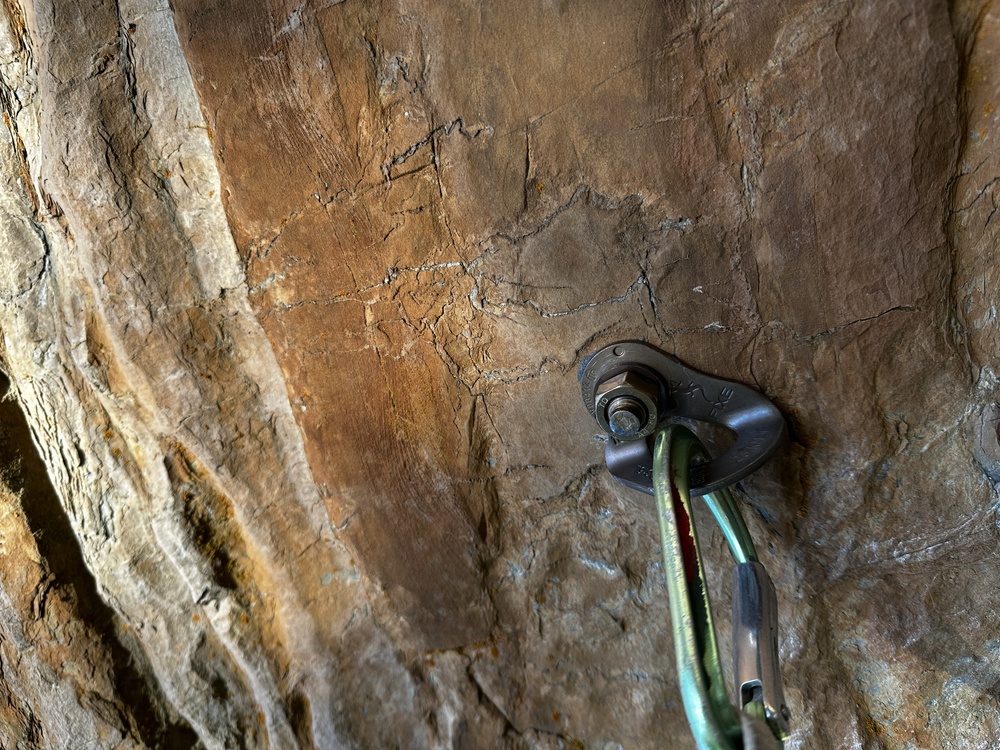 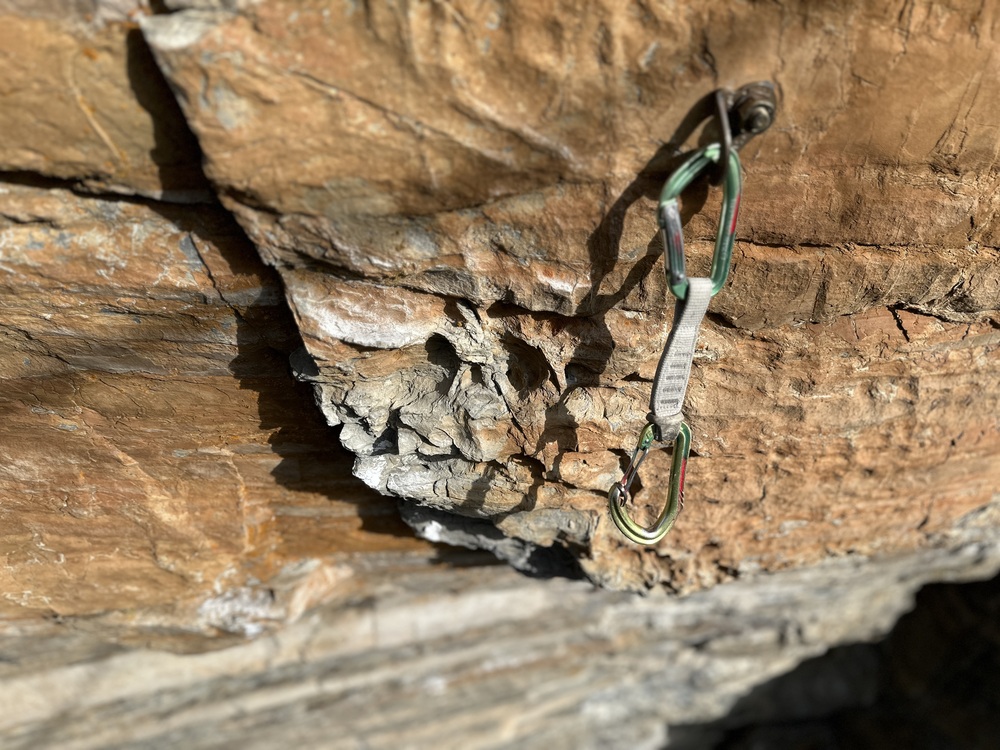 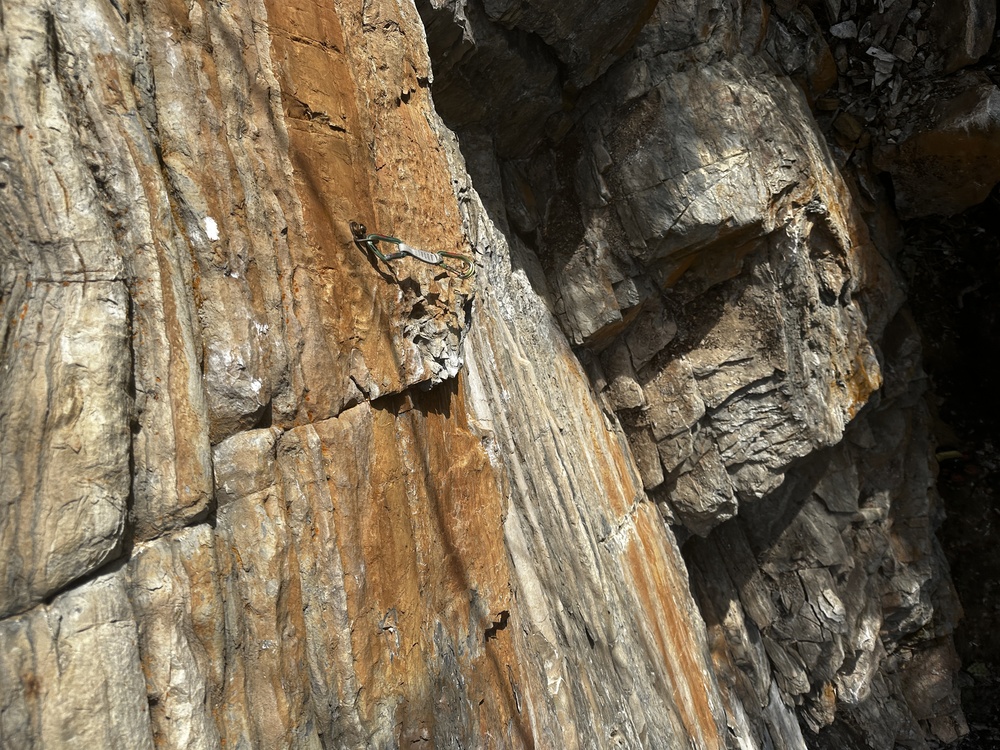 Stick clip first bolt, or ye gonna die. |
|
|
Andrew Whitmore wrote: I used to use those hangers because they were stronger than most others available and have those knurls on the back that help set the hanger , but man they chew up aluminum carabineers, even steel quicklinks. I ended up almost exclusively using glue-ins partially to avoid hangers |
|
|
About as good as it gets for installing a Lappas Corkscrew bolt! My favorite glue tool after trying out a bunch of stuff is to use index cards. One piece to catch glue that's dripping out, and the other piece to move the glue around with precision, and to clean any extra glue off the metal (as you can see in the bottom left section of the bolt). 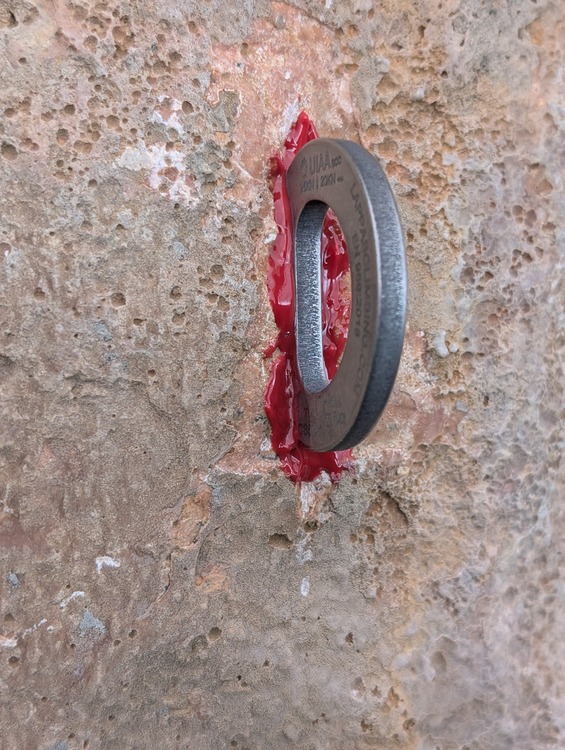 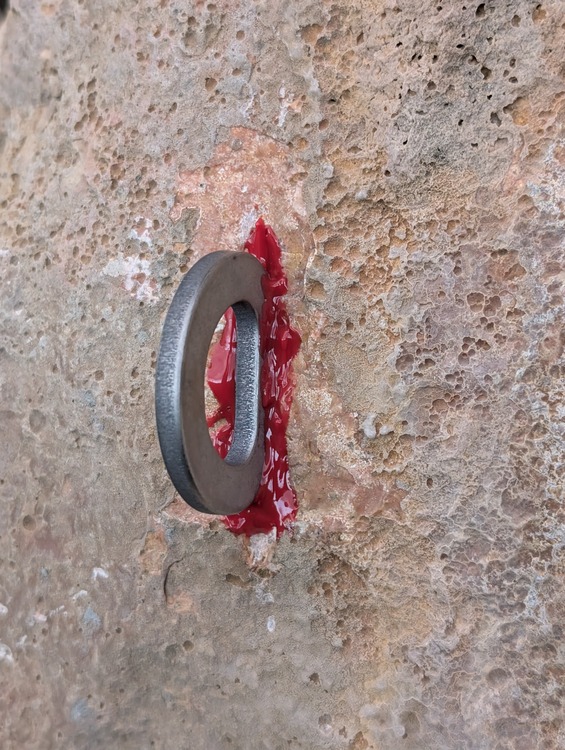 A two-pointed drill bit, either 10mm or 3/8 inch works wonders. The hole is just slightly bigger than the nozzle so that the nozzle gets pushed out by the glue and you don't have to guess if you filled the hole or not. The two-pointed head is great for gently using the hammer mode of the drill to make narrow notches that then make it easy to detail the glue and leave minimal glue showing on the rock. (don't mind the red color!) |


