
 Continue with onX Maps
 Sign in with Facebook






Thoughts on being a climbing mentor?



|
Lots of people asking for climbing mentorship on these forums and also a handful of posts/articles talking about the importance of mentorship (e.g. outdoorresearch.com/blog/ar…) but not much coming from the other side of the equation. What's it like being a climbing mentor, what do you look for in a mentee, and how do you approach the responsibility it entails? |
|
|
The best thing you could do for a novice alpinist is actually make the risks clear. I am not an incredibly experienced alpinist at all so take that into consideration, but what I've noticed among the people I've climbed with is a huge inconsistency in recognizing certain risks while being overly cautious to prevent some other thing that probably won't happen from happening. |
|
|
Scott Kilts wrote: ... Awesome. (The part about making sure they understand the risks was good too. :D) |
|
|
I've been mentored and have become a mentor. I really appreciate the time my mentors have given towards me, and I find mentoring to be extremely rewarding. |
|
|
I've been teaching for 25 years. have coached several sports. I have probably had 3000 students in that time. I have helped some of my friends with climbing only three have stuck with it. I help anyone who asks though, that is, until they either show they will stick with it or do something stupid, meaning they are a danger to themselves and others. A student I mentored in high school through applying for college was killed by a drunk driver shortly after receiving an acceptance letter for college. Took a long time to come to terms with her passing. It was about as senseless as it gets, the guy had 10 DUI's not sure how he was still driving. In other threads I have mentioned last year I mentored several new climbers from 0 to sport and multi pitch trad. When I started I worried about liability, but I also worried about them because of my former student. In the end you teach them all you know and to continue learning so they get better after they leave and are responsible for the choices they make. Recently one of them called me to say he just hit a hard personal goal on sport, another soloed one of the flatirons. You can't control what happens after you part company. But you teach them in good faith, knowing that sharing knowledge is always the right thing to do and as you teach you are speaking to the next generation since what you taught will be carried from one climber to the next. |

|
Interestingly Bogdan, right around the time you posted this - a group got together in Boulder to discuss ways to connect climbing Mentors and Mentees. |
|
|
I've mentored quite a few climbers in freeclimbing and more recently bigwall climbing. From the perspective of a mentor, your biggest concern is going to be the fact that mentoring is going to take time out of your personal climbing goals. You can't properly mentor someone and seek out the hardest gnar climbs. You tend to learn to practice self-care in consciously reminding yourself that you're going to use this time spent with your mentee to work on perfecting your basics. Too many people I've seen at the crag are willing to teach someone but not willing to lower their goals to match the ability of the person you're teaching. Creates stress and tends to lead to the person being mentored feeling incompetent and like they're in the way. The biggest thing is to remember that mentoring is a service you're providing to someone and it comes with the requirements of placing that person's goals and abilities above your own. |
|
|
Is "mentee" an actual word? I always thought it was Mentor/Protege. |
|
|
kevin deweese wrote: The biggest thing is to remember that mentoring is a service you're providing to someone and it comes with the requirements of placing that person's goals and abilities above your own. This is great. Thanks. Obvious but too easily pushed aside or forgotten. |
|
|
it made me a more confident and competent climber. made me faster at shit, and better and communicating. also gets me psyched when my mentee does something sick |
|
|
I started a middle school climbing club several years ago and trained a few kids from toprope hangdogs to Black Canyon leaders. Incredibly rewarding. It was an investment of time and money in the beginning, but now I've got a couple of solid partners with whom I don't even think twice about swapping leads on hard multi-pitch. They know how to escape the belay and place bomber gear. I'd rather climb with these kids than a lot of my current adult partners. 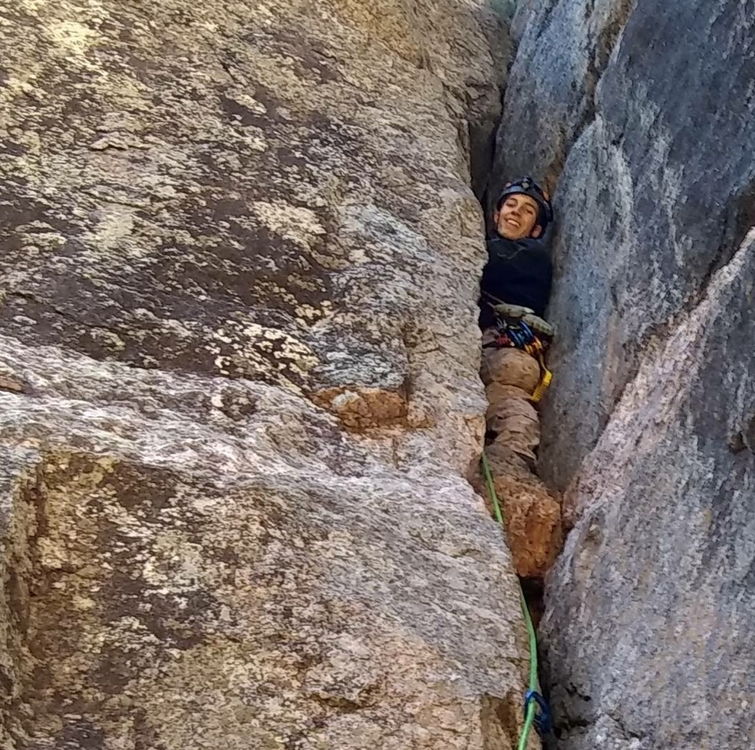 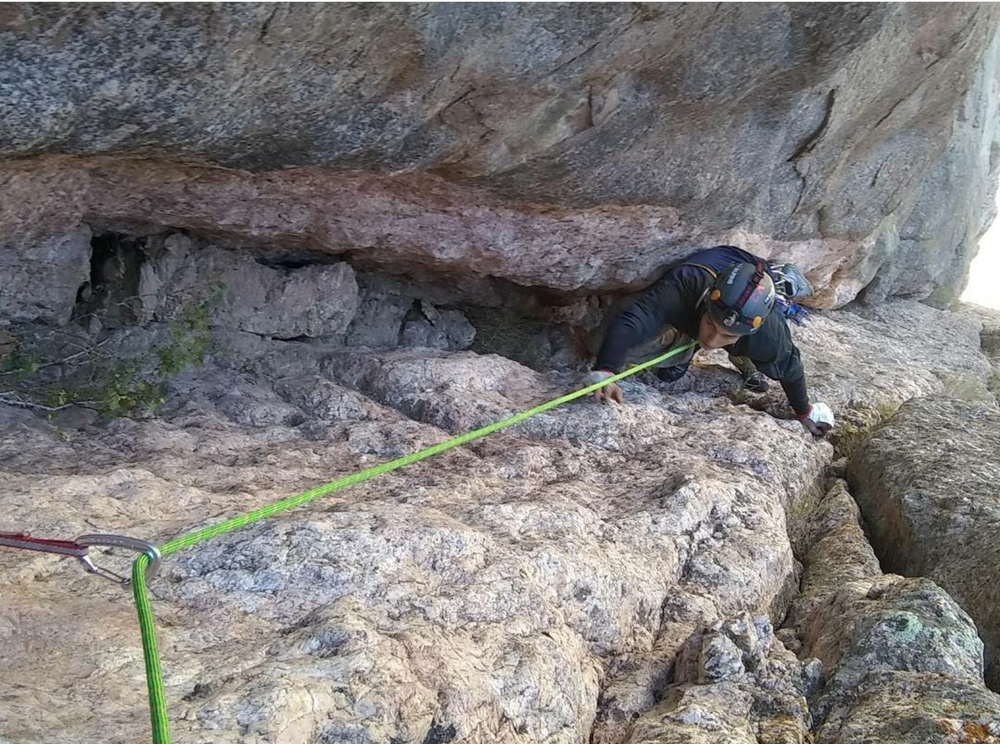 And Fauxny Hawk on Durangatan ... 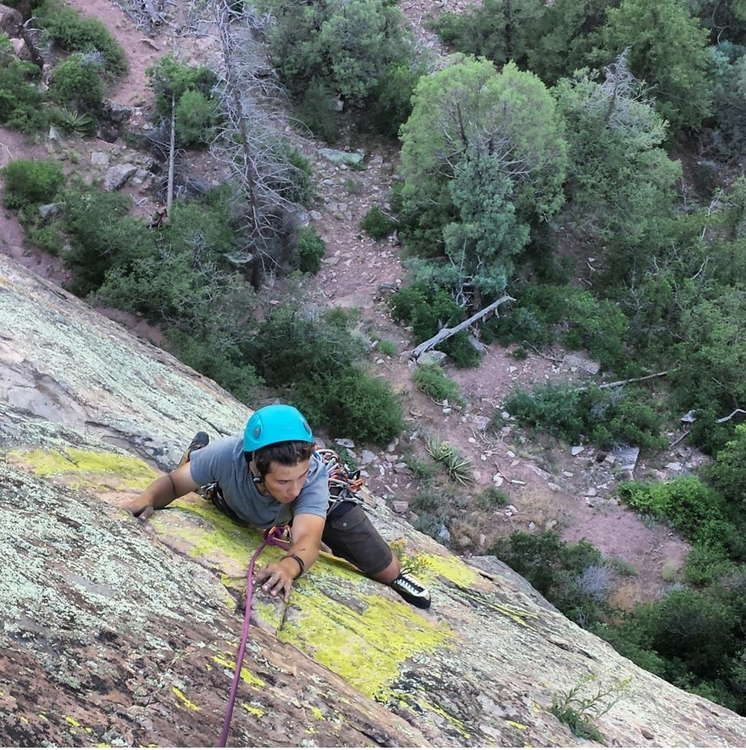 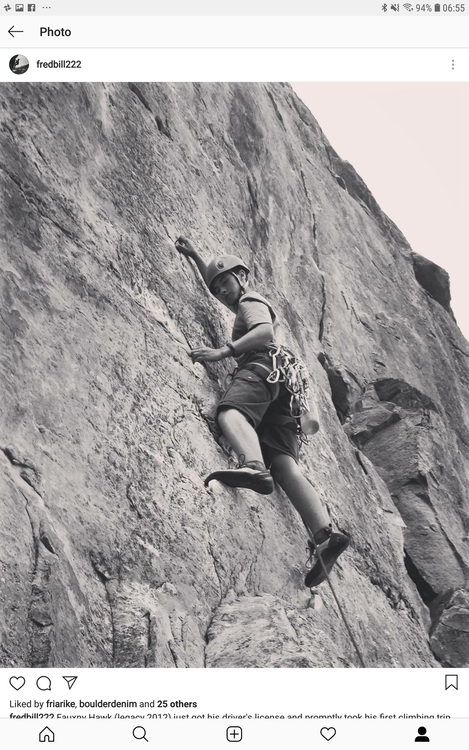 they now have protegees of their own and are teaching them to do things right, so the circle of life is complete... I'm a grandpa!  |
|
|
Over the years I've mentored a few people. But a full-time job with significant commuting reduced my free time enough to eliminate that option. I've still climbed periodicaly with less experienced climbers in the hope of passing on some knowledge, and I think the focus on the mentor concept misses an important point, which is that there are practical and effective ways of learning from groups of people that do not involve forging a time-intensive relationship with a single person. I personally never had a single mentor, but was fortunate to climb with a range of individuals, all of who contributed to my climbing education in different ways. Maybe this is even better than a single mentor, as a variety of perspectives works against the one best way mentality, and in any case it is a far more practical option. |
|
|
mentees/proteges, buy your mentor a beer and a burger every now and then. They're giving up significant free time where they could be projecting instead of babysitting on Flight of the Gumblebee 5.7+. 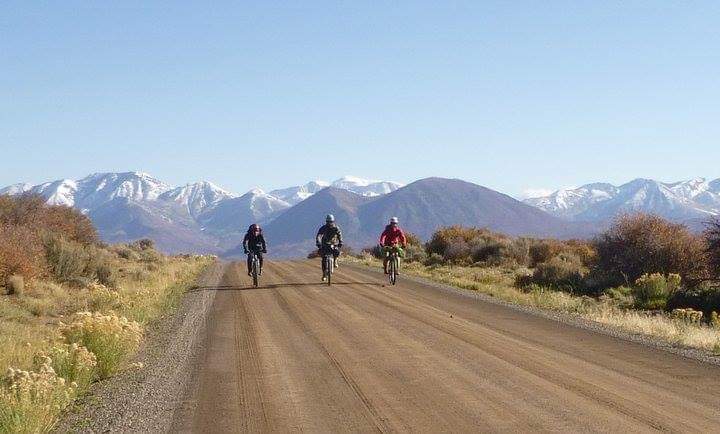 Riders of Bro-han -- certain unnamed valiant sons of liberty engage in civil disobedience during the government shutdown of 2013 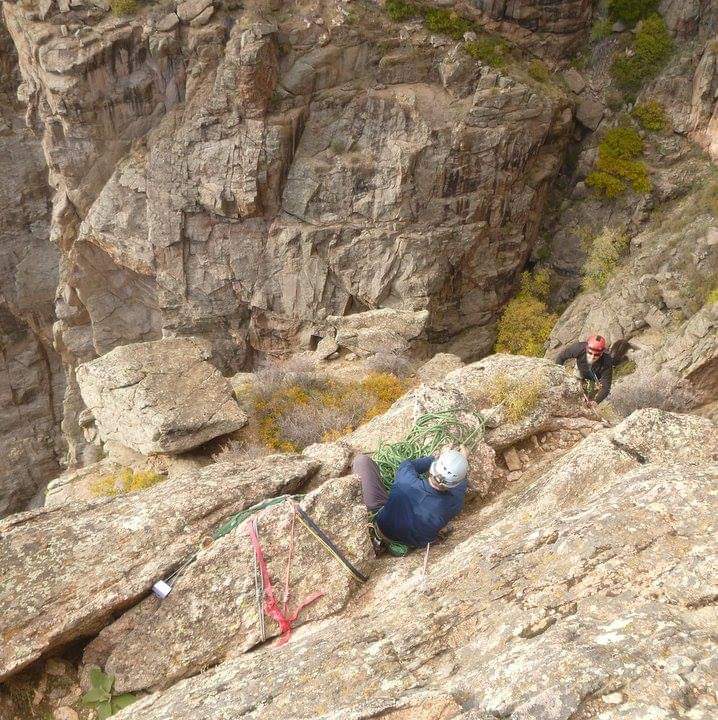 |
|
|
rgold wrote: I think the focus on the mentor concept misses an important point, which is that there are practical and effective ways of learning from groups of people that do not involve forging a time-intensive relationship with a single person. Rich hits the nail on the head with this comment. We're not talking about finding a martial arts sensei or a guru. To me a more useful framing of the concept is "Always be learning. Always be generous sharing your own knowledge." |
|
|
The only thing that really matters is a positive attitude, a willingness to listen, and a thirst to learn. I've had a few partners that "want to learn" and end up using me as a rope gun while not absorbing any information. One guy who has come out with me 3 or 4 times still doesn't know how to tie himself in. That's frustrating and doesn't make me want to teach someone, let alone climb with them. |
|
|
I look for people who ask lots of questions. Especially questions of the “why” variety. The meat of my mentorship focuses on things only tangential to the climbing itself, and happens off route. Think risk assessment, specific feedback, team dynamic, and/or running through scenarios relevant to issues that popped up on the trip. |
|
|
The fondest hope of a teacher is to be surpassed by one's students. |
|
|
Mason Stone wrote: Gote rules, seriously, instead of complaining about gumbys we can grab a handful and train em up. Those willing to learn. The others can stuff it. I didn't see anything on the fb page to do (it's not an fb group, so nothing to join). Just complete the survey that's linked on this forum and I suspect they'll contact you Facebook account or no (only asked for my email). Basically you're not missing anything by not having a fb account. That survey is all there seems to be at the moment. |
|
|
There is a website, but it's just a front page that links to the survey; the program is in very early stages. https://climbingmentors.org |
|
|
Learning from a group is great. This is basically how I learned to ice climb and I recall learning a new way to swing or hold my axe from basically everyone I climbed with for my first real season. There was of course other stuff I learned too but I was especially surprised by how much consistent variety there was in people's swing technique and it all seemed to work differently for different people with different tools. Very cool experience realizing how much variety there could be in even the smallest stuff between climbers. |
|
|
Fritz Nuffer wrote: I started a middle school climbing club several years ago and trained a few kids from toprope hangdogs to Black Canyon leaders. Incredibly rewarding. It was an investment of time and money in the beginning, but now I've got a couple of solid partners with whom I don't even think twice about swapping leads on hard multi-pitch. They know how to escape the belay and place bomber gear. I'd rather climb with these kids than a lot of my current adult partners. I mentored quite a few students doing climbing for their senior projects when I was a highschool teacher and they have also become a great source of future partners that I trust without question. |


