
 Continue with onX Maps
 Sign in with Facebook






Aching shoulder?
|
|
My shoulder is hurting on the outside... it feels ok in some positions if I keep it engaged properly, but wider positions aggravate it. I hurt it hangboarding a few weeks ago (lame, I know), healed it w/ a few days rest, & then hurt it again because I had an overzealous RP attempt. Rest is an obvious answer (it worked before), but I'd love to hear some other opinions. Icing, stretches, low intensity climbing? Suggestions? 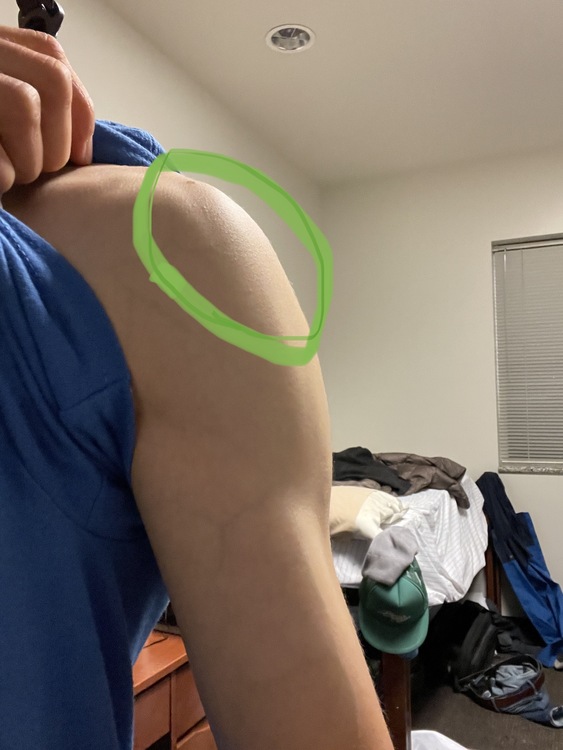 |
|
|
Clean up your bedroom - it's a mess. Hope this helps. |
|
|
FrankPSwrote: Thanks, that should solve all my woes. I picked up a sock and am feeling better already... |
|
|
Seth Bleazardwrote: Thanks for the good-natured reply, Seth. I got a chuckle out of that. (and award you one bump) |
|
|
My guess, which is almost certainly wrong, is irritation of the supraspinatus tendon. The acromion can press or rub on the tendon when hangboarding or when pressing overhead if the shoulder position is off just a bit. I think you identified the solution - "engage properly" at all times, stay active and avoid further irritation. I don't think icing or stretching will help. |
|
|
Hi Seth! I'm sorry you're having difficulty resolving your shoulder pain. I'm a physical therapist and while rest may seem like the obvious answer it is so common that as soon as you jump back into activity the pain will come back if nothing else has been done. This is because nothing has changed that led to the injury occurring in the first place. Also, bodies rapidly adapt to the current loads placed on them meaning if you are not continuing to move and maintain strength, you will lose muscle strength and mass making you more susceptible to injury. Shoulder pain can come from the shoulder itself or it may be referred from the neck which is why it is best to be assessed by a physical therapist in person, bonus if it's one that is familiar with climbing! If you need help finding one in your area let me know, there are a lot of resources to help. There are also climbing PTs that will do virtual assessments. My best advice is to keep moving as much as possible in ways that are not highly aggravating. Focusing on sleep, nutrition, and cardio (pumping healthy blood and nutrients to the injured tissues) are all factors that directly impact healing time, help minimize pain levels, and will help you have an easier return to full sending your climbing training. At the bottom, I will put exercise guidelines so you know how much discomfort it is "too much" to push through and what is okay. One of the most common reasons for pain in the front of the shoulder, especially with climbers is subacromial pain syndrome (it used to be called impingement). I will include an article from The Climbing Doctor blog about this condition to see if it aligns with what you are experiencing. This blog is overseen by Dr. Jared Vagy a physical therapist and climbing specialist from California. There are a lot of good exercises and management strategies to start you off with if you aren't able to get in to see a PT right away. Most states in the US now have direct access to physical therapy meaning you shouldn't need to see your doctor first which helps with cutting down wait time. It is always easier and quicker to treat things before they become a bigger issue. EXERCISE GUIDELINES
Reach out if you have any additional questions! |
|
|
The Climbing SIGwrote: Thanks! Just sent a message |
|
|
Seth Bleazardwrote: Sorry for the delayed response! Just followed up on your email in case it goes to your junk. |


