|
|
Dirtbag Beta
·
Oct 25, 2025
·
Unknown Hometown
· Joined Dec 2018
· Points: 0
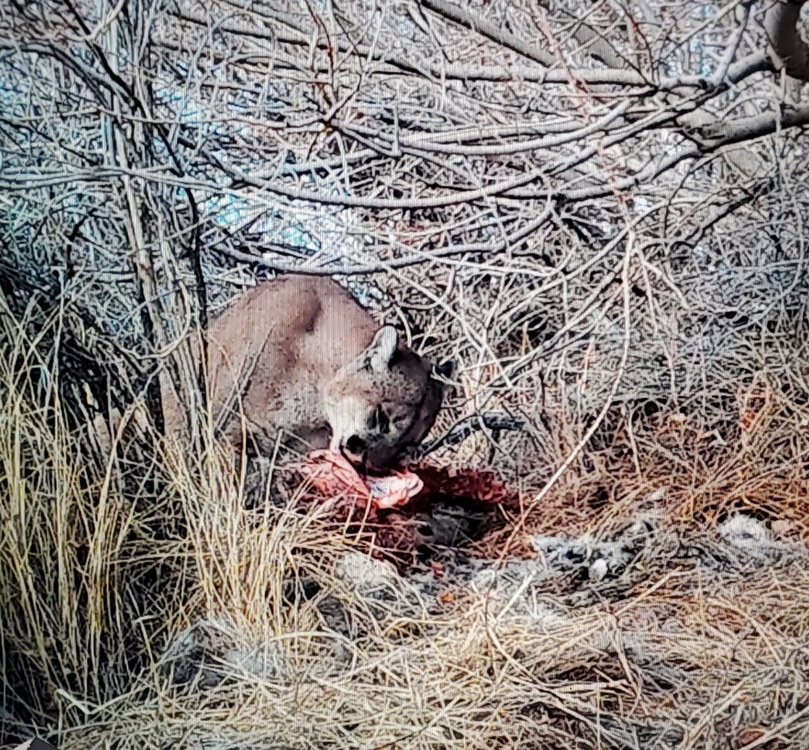
How do you keep your pads from getting decimated by rodents, turning into a giant wet sponge, or otherwise destroyed when stashing them outside? Edit: I can't be convinced not to stash pads, so spare me the proselytizing.
|
|
|
Smith Martin Paul
·
Oct 25, 2025
·
Unknown Hometown
· Joined Apr 2022
· Points: 226
|
|
|
Daniel Shively
·
Oct 25, 2025
·
Unknown Hometown
· Joined Sep 2024
· Points: 0
I leave my cat out with my pads to take care of anything that messes with them.
|

|
|
Israel R
·
Oct 25, 2025
·
Unknown Hometown
· Joined Jul 2018
· Points: 87
Dirtbag Betawrote:How do you keep your pads from getting decimated by rodents, turning into a giant wet sponge, or otherwise destroyed when stashing them outside? I take them home and put them inside.
|
|
|
Marc801 C
·
Oct 25, 2025
·
Sandy, Utah
· Joined Feb 2014
· Points: 65
Dirtbag Betawrote:How do you keep your pads from getting decimated by rodents, turning into a giant wet sponge, or otherwise destroyed when stashing them outside? Are you really that fucking lazy? You don't stash them. You carry them out with you *every time*. If not, they're considered abandoned trash.
|
|
|
Daniel Shively
·
Oct 25, 2025
·
Unknown Hometown
· Joined Sep 2024
· Points: 0
Marc801 Cwrote: Are you really that fucking lazy? You don't stash them. You carry them out with you *every time*. If not, they're considered abandoned trash. Do you apply your “rules” consistently to all climbing situations? Are project draws or fixed ropes used when working an FA abandoned trash too? I’m kind of new at this game and wonder what is fair game out there.
|
|
|
Dirtbag Beta
·
Oct 25, 2025
·
Unknown Hometown
· Joined Dec 2018
· Points: 0
Marc801 Cwrote: Are you really that fucking lazy? You don't stash them. You carry them out with you *every time*. If not, they're considered abandoned trash. I think you misunderstood me Marc... I don't want these pads to become abandoned trash, that's why I'm asking for advice. And yes, I really am that fucking lazy.
|
|
|
Nick Herdeg
·
Oct 25, 2025
·
Wheat Ridge, CO
· Joined Sep 2018
· Points: 30
Sometimes I stash my pad under a rock or something briefly so I can go scramble the nearby formations, and sometimes I just leave it laying out open so people assume I'm around. And I am always around, watching like a hawk perched in the crevasses high above, ready to swoop down on and assail any would be pad snatchers. Just so you know.
|
|
|
Matt N
·
Oct 25, 2025
·
CA
· Joined Oct 2010
· Points: 476
Fixed pads exist. At the gym.
|
|
|
Marc801 C
·
Oct 25, 2025
·
Sandy, Utah
· Joined Feb 2014
· Points: 65
Daniel Shivelywrote: Do you apply your “rules” consistently to all climbing situations? Are project draws or fixed ropes used when working an FA abandoned trash too? False equivalence.
|
|
|
Patrick M
·
Oct 26, 2025
·
Greely Hill, CA
· Joined Jul 2015
· Points: 10
Nice! Where you stashing them? I’ll stop by and check out your hiding technique and give you my critique
|
|
|
Chad Miller
·
Oct 26, 2025
·
Grand Junction, CO
· Joined Nov 2006
· Points: 150
Dirtbag Betawrote:How do you keep your pads from getting decimated by rodents, turning into a giant wet sponge, or otherwise destroyed when stashing them outside? Edit: I can't be convinced not to stash pads, so spare me the proselytizing. The best way- pack out your pad when done climbing. If that wont convince you to not stash your pad then you just have to deal with your pad getting destroyed. Your choice.
|
|
|
Daniel Shively
·
Oct 26, 2025
·
Unknown Hometown
· Joined Sep 2024
· Points: 0
Marc801 Cwrote: False equivalence. Nope. These are all common practices used by climbers to avoid carrying their gear repeatedly to the same spot. When climbers stash ropes at areas they frequently visit, do you consider those ropes to be abandoned trash? It seems logical that anything left stashed on public land could be considered trash, or its all sort of a gray area issue and don’t get worked up over it, and I have done it all before too. It’s not that big of a deal and not really worth calling people lazy over.
|
|
|
Nol H
·
Oct 26, 2025
·
Vermont
· Joined Dec 2014
· Points: 2,496
I’m kind of new at this game and wonder what is fair game out there. Your curiosity seems worth a more dignified response than you've gotten. Generally speaking, pad stashing is a convenience for alpine areas where the landings are dangerous without a large number of pads and the hikes are relatively long. What is "fair game" would probably be a point of contention in any community but especially around alpine zones. You'll probably find most people have never stashed or even seriously thought about stashing a pad. However in alpine areas I'd guess that while many haven't personally stashed them but regularly use stashed or abandoned pads. There will be some who are thoughtful and discreet with their methods of stashing for projects, such as using a homemade pepper spray to discourage rodents from chewing on them, selecting dry and elevated areas to keep moisture and rodents away from them, and hiking them out when they are done with their project. But despite however many of the thoughtful people there are, this is a "a few bad apples spoil the barrel" situations. Popular areas accumulate abandoned pads that are tattered by years of neglect and abuse, often chewed away by some unfortunate animals that probably got sick or died if they actually injested the foam. The pads were likely on their last legs in the first place; you're generally not coming across fresh Organic Big Pads up there. As such, stashing is a point of contention among climbers and rangers at areas like RMNP and Mount Blue Sky. The guidebook author for these areas is pretty explicit that pad stashing is at the least not allowed, and that the logistics and fitness necessary to get a stack of pads back to your project is just part of the adventure and process for backcountry and alpine bouldering. I live in New England where pad stashing is quite rare to the point that it is a bit surprising to ever come across them. So I don't want to speak out of hand about what the prevailing opinion is for alpine areas in places like Colorado and California. Personally if I lived in these spots I'd defer to the guidebook author's opinion above. In my one visit to Colorado we did use abandoned pads though I felt they spoiled the beauty and character of the mountains.
|
|
|
Daniel Shively
·
Oct 26, 2025
·
Unknown Hometown
· Joined Sep 2024
· Points: 0
Nol Hwrote:Your curiosity seems worth a more dignified response than you've gotten. Generally speaking, pad stashing is a convenience for alpine areas where the landings are dangerous without a large number of pads and the hikes are relatively long. What is "fair game" would probably be a point of contention in any community but especially around alpine zones. You'll probably find most people have never stashed or even seriously thought about stashing a pad. However in alpine areas I'd guess that while many haven't personally stashed them but regularly use stashed or abandoned pads. There will be some who are thoughtful and discreet with their methods of stashing for projects, such as using a homemade pepper spray to discourage rodents from chewing on them, selecting dry and elevated areas to keep moisture and rodents away from them, and hiking them out when they are done with their project. But despite however many of the thoughtful people there are, this is a "a few bad apples spoil the barrel" situations. Popular areas accumulate abandoned pads that are tattered by years of neglect and abuse, often chewed away by some unfortunate animals that probably got sick or died if they actually injested the foam. The pads were likely on their last legs in the first place; you're generally not coming across fresh Organic Big Pads up there. As such, stashing is a point of contention among climbers and rangers at areas like RMNP and Mount Blue Sky. The guidebook author for these areas is pretty explicit that pad stashing is at the least not allowed, and that the logistics and fitness necessary to get a stack of pads back to your project is just part of the adventure and process for backcountry and alpine bouldering. I live in New England where pad stashing is quite rare to the point that it is a bit surprising to ever come across them. So I don't want to speak out of hand about what the prevailing opinion is for alpine areas in places like Colorado and California. Personally if I lived in these spots I'd defer to the guidebook author's opinion above. In my one visit to Colorado we did use abandoned pads though I felt they spoiled the beauty and character of the mountains. Hey thanks, my comments about being new were intended to be sarcastic and a jab at Marc for his narrow minded statement. When I lived in North Conway, I would have never dreamed of stashing pads, I also wouldn’t stash at popular, developed spots. I have and will continue to stash at random desert blocs or at some High Sierra remote alpine spot. I always carry my stuff out when I’m not actively climbing at those spots too. It really is a gray area and Marc’s authoritative post seemed a bit over the top.
|
|
|
clearance clarence
·
Oct 26, 2025
·
Unknown Hometown
· Joined Dec 2017
· Points: 6
Dirtbag Betawrote:How do you keep your pads from getting decimated by rodents, turning into a giant wet sponge, or otherwise destroyed when stashing them outside? Edit: I can't be convinced not to stash pads, so spare me the proselytizing. ...then what would PERSUADE you?
|
|
|
clearance clarence
·
Oct 26, 2025
·
Unknown Hometown
· Joined Dec 2017
· Points: 6
Daniel Shivelywrote: Nope. These are all common practices used by climbers to avoid carrying their gear repeatedly to the same spot. When climbers stash ropes at areas they frequently visit, do you consider those ropes to be abandoned trash? It seems logical that anything left stashed on public land could be considered trash, or its all sort of a gray area issue and don’t get worked up over it, and I have done it all before too. It’s not that big of a deal and not really worth calling people lazy over. Are you unanimous in that?
|
|
|
Chad Miller
·
Oct 26, 2025
·
Grand Junction, CO
· Joined Nov 2006
· Points: 150
Daniel Shivelywrote: Nope. These are all common practices used by climbers to avoid carrying their gear repeatedly to the same spot. When climbers stash ropes at areas they frequently visit, do you consider those ropes to be abandoned trash? It seems logical that anything left stashed on public land could be considered trash, or its all sort of a gray area issue and don’t get worked up over it, and I have done it all before too. It’s not that big of a deal and not really worth calling people lazy over. It depends on the area. Some areas consider stashed gear and left draws detritus and will be removed. Some don’t.
|
|
|
Daniel Shively
·
Oct 26, 2025
·
Unknown Hometown
· Joined Sep 2024
· Points: 0
clearance clarencewrote: Are you unanimous in that? Not sure what you mean by “unanimous”, if you mean “does everyone agree with what I posted“, then no, I realize that not everyone agrees that leaving gear on public land is ever acceptable. My point is, that in my opinion, there are some acceptable gray areas where it’s not really the end of the world.
|
|
|
Dirtbag Beta
·
Oct 26, 2025
·
Unknown Hometown
· Joined Dec 2018
· Points: 0
Nol Hwrote:Your curiosity seems worth a more dignified response than you've gotten. Generally speaking, pad stashing is a convenience for alpine areas where the landings are dangerous without a large number of pads and the hikes are relatively long. What is "fair game" would probably be a point of contention in any community but especially around alpine zones. You'll probably find most people have never stashed or even seriously thought about stashing a pad. However in alpine areas I'd guess that while many haven't personally stashed them but regularly use stashed or abandoned pads. There will be some who are thoughtful and discreet with their methods of stashing for projects, such as using a homemade pepper spray to discourage rodents from chewing on them, selecting dry and elevated areas to keep moisture and rodents away from them, and hiking them out when they are done with their project. But despite however many of the thoughtful people there are, this is a "a few bad apples spoil the barrel" situations. Popular areas accumulate abandoned pads that are tattered by years of neglect and abuse, often chewed away by some unfortunate animals that probably got sick or died if they actually injested the foam. The pads were likely on their last legs in the first place; you're generally not coming across fresh Organic Big Pads up there. As such, stashing is a point of contention among climbers and rangers at areas like RMNP and Mount Blue Sky. The guidebook author for these areas is pretty explicit that pad stashing is at the least not allowed, and that the logistics and fitness necessary to get a stack of pads back to your project is just part of the adventure and process for backcountry and alpine bouldering. I live in New England where pad stashing is quite rare to the point that it is a bit surprising to ever come across them. So I don't want to speak out of hand about what the prevailing opinion is for alpine areas in places like Colorado and California. Personally if I lived in these spots I'd defer to the guidebook author's opinion above. In my one visit to Colorado we did use abandoned pads though I felt they spoiled the beauty and character of the mountains. Thanks for your thoughtful and nuanced answer. I have personally hiked out a waterlogged, rodent chewed, and abandoned crash pad from an alpine zone. I was disgusted that someone would be so be so disrespectful and irresponsible. I'm seeking advice so, should I decide to stay a pad, I can do so respectfully and responsibly. So we have: - Homemade rodent deterrent
- Elevated/dry area
- Hidden
Any other tips? Wrap them in tarps? Contractor bags? Spray them with Nikwax?
|
|
|
Mark Vigil
·
Oct 27, 2025
·
Taos New Mexico
· Joined Aug 2017
· Points: 2,665
If you are so entitled that you think its totally cool to disrupt animal habitats in order to avoid physical labor, I suggest going to Vail resorts
|