Continue with onX Maps
 Sign in with Facebook






Bastille | Northcutt Start, missing pin: replace with a glue-in bolt?


|
|
Drill a hole and put a bolt in it. It's sustainable and it's not like Eldo is becoming a sport crag anytime soon. |
|
|
Gregger Man wrote: Will short climbers have trouble clipping this? |
|
|
I'm not a local, but from the outside splitting hairs between drilling a hole in the crack and drilling a hole 6 inches away is pretty comical. One could imagine a parody where committees get locked in factional disputes over millimeters on a 500-ft long route, or invoking a psychic to ask what the FA party *really* intended. |
|
|
Aaron Kolb wrote: Welcome to Eldo... |


|
Mark Roth wrote: Just highlighting this since I think it's particular relevant to the main point re "preserving the character of the climb." |
|
|
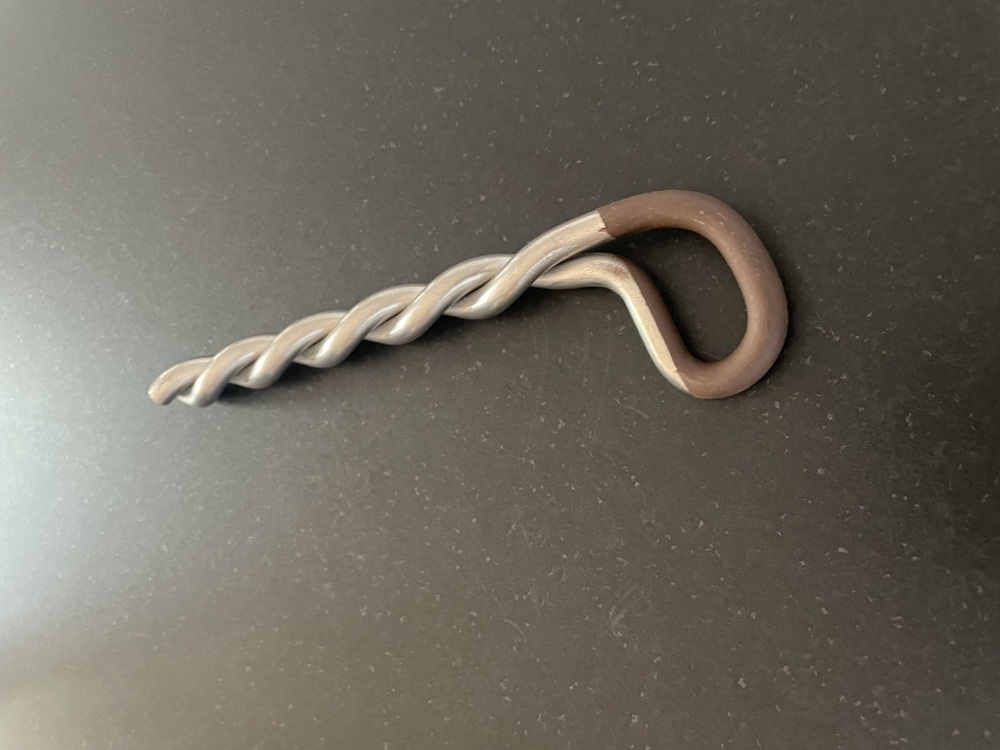
Option 3 - gluein bolt right at the site of the old pin. Keep the same placement, upgrade the hardware, keep Eldo weird! |
|
|
choss pirate wrote: Respect, and thanks for saying this. One thing that gets me about these conversations time and time again is the argument that no bolt should be placed because it preserves tradition and the character of the route versus folks just coming out and saying no bolt should be placed because it doesn't fit their view of how they want Eldo to be. Which is a totally fair view and (in my opinion) more honest one. I also think that if the main motivation for drilling straight into the crack is to purposefully block the handhold that's created by the pin falling out - that feels perilously close to route manufacturing to me. (i.e. drilling into the rock in such a way as to force the climb to climb in a particular way). Obviously, many climbs are manufactured to some extent - but I'm not sure that placing a bolt in contrast with the manufacturer's recommendations just to block a handhold is the best option here... |
|
|
Mark Roth wrote: You're not heavy, you're my brother. Put a bolt in. |
|
|
My preference would be #4 followed by #1 I feel that a normally placed bolt does the best job of preserving the character of the route while also preserving the rock and lasting a long time. Doing nothing would also preserve the rock, but make the route a bit more serious. I'm generally against placing new pitons because they damage the climbable or protectable features of the rock and don't last long (compared to bolts). Placing a glue-in in the crack is just weird - why place a bolt in a way that blocks the climbable/protectable features of the rock when you can do it properly in a blank section of the face. |
|
|
Agreed. HowNot2 hasn’t spent all that money breaking hardware for us not to place a solid bolt. I’m sure they’d even send one for free! Only Austin should still be allowed to be weird. |
|
|
I fear whoever is in charge of Ace in 30, 40 years would be bewildered at the glued-in-bolt-in-crack idea once it again became time to think about hardware upgrades. |
|
|
Not to add more fuel to the discussion fire (since it sounds like 4 is the consensus ideal solution), but glued-in pitons are all over in the alps, and I just clipped a few last week stateside over in SLC. Putting glue in the crack sucks (and IMO has more impact than a bolt on the face that can be patched), but it's not an unheard of practice. A glue-in bolt in the crack would be weird and untested (since the glue is providing the entire structural stability rather than a bit of reinforcement) but a glued-in piton doesn't sound too farfetched esp if it's the only way to get a more reliable fixed piece past ACE. |
|
|
Todd R wrote: Agree, even if I disagree with that view.
Or is it merely restoration? Should things be different for a popular route where you could belay from your car vs something more obscure? |
|
|
#4. Like Mark Roth said, it was essentially as good as a bolt when the piton was new. It has likely held hundreds of falls by folks expecting it to hold, myself included. Drilling and placing a bolt in a crack seems like taking things too far. |
|
|
Lane Mathis wrote: Hmm. I wonder why that is? |
|
|
This discussion has surprised me a little. I expected more votes for option #1 & #2. #4 looks like a probable winner, and the question will be just how close to the crack the new placement can be made. Since a glue-in doesn't add the same sort of stress on the substrate that a sleeve bolt installed at full torque does, I will argue to place it as near to the old pin placement as possible (~1"-2"). Below looks better than above after considering the shape of the crack and the fragility of the rock above. I'll let it go, but the objection to a 150mm long glue-in in this particular location seems like a reflex more than an informed assessment. I've attempted to remove glue-in bolts and seen their tenacity, and that biases my opinion in favor of their longevity. I can be just as happy with option #4, or a little disappointed with option #1 or #2. |
|
|
1 or 4. Please don't put a bolt in a crack lol |
|
|
Gregger Man wrote: This is an interesting thought from a rock mechanics perspective. The limiting factor in either scenario is the shear strength of the narrow bridge of rock between bolt and crack. Regardless, I would not place a bolt too close! |
|
|
My vote is Option 4. The location of the bolt should be what makes the most sense for clipping and protecting the crux moves, and the type of bolt what is best for long term management (removable and replaceable). There is no need to "place the bolt as close to the missing pin as possible". I think the location of the missing piton is somewhat arbitrary. It doesn't reflect the FA because Northcutt almost certainly removed all of his pitons. The location also doesn't reflect any historical consensus, as it's simply a remnant of the piton era, like many (most) of the remaining pitons in Eldorado. There used to be a ring-blade piton near there in the 1970s when I first led Northcutt Start; maybe that's the broken-off blade still in there. The specific location of the missing piton is just what we have gotten used to in recent years. A new, logically-placed bolt will be what everyone "gets used to" from now on. A bolt is in character with that section of the Bastille, which has bolts on Crossfire, Madame de Guillotine, and even the Bastille Crack belay. I don’t think that little edge in the crack where the piton was will make the moves any different. There has been some kind of metal there for many decades, so not replacing the missing pin (Option 1) really changes the character of the lead, certainly given the size of the clean gear that may be placeable there. Option 2, replacing like-for-like, solves nothing and further damages the rock. Option 3, drilling a glue-in into the crack, while I understand the intent, may create issues when it needs to be replaced in the future, and is untested and strange. |
|
|
I vote #1. I'm intrigued by the idea of how existing routes can change with the advent of new clean climbing protection. Routes can become more clean over time. However, if it is a question of this popular route becoming more dangerous without a fixed piece of gear, I would be changing my vote to #4. I haven't climbed the route without the pin, but will be give it a go this weekend. |