
 Continue with onX Maps
 Sign in with Facebook






Diabetics and high(ish) altitude


|
I’ve been a type 1 diabetic for … carry the one…33 years. I’ve had the T1D under tight control for the majority of those years. Then I moved to Colorado seven years ago. For some reason when I get above 12,000 feet my blood sugar goes high (250 + mg/dl) when exercising. This is odd since physical activity normally lowers blood sugar. Obviously this makes doing anything alpine difficult and sometimes life threatening Have any other T1Ds experienced this? On a related note, any Colorado or SLC T1D have an endocrinologist they would recommend? Where I live in GJ doesn’t have any. Thanks for any help you can give. |
|
|
Link to where Information is cited: beyondtype1.org/altitude-ty… |
|
|
Thanks! The thing is it only happens at altitude. I suppose it could be that being at altitude is just enough stress for this to happen. |
|
|
Oooo I’m T1 too! I’ve managed to be pretty stable around that altitude, but I feel like I was trying pretty hard to stay super hydrated. I was only hiking though! The only thing I could think of is that this doesn’t sound super uncommon given your body is under extra stress? Whenever I feel like I’ve nailed down how my bg reacts to something, it throws an exception though haha |
|
|
Have you verified your reading with different glucometers? I read somewhere that glucometers are only accurate at specific altitudes/tempreatures. Just a thought. Fellow type 1 here, have only experienced the opposite at altitude (only been up to 14,500 but regularly climbing at 12-13,000.) Very interested to see if you come up with a theory as to why you're getting high bgl above 12,000. BGL are so weird. Stress, hormones, delayed low BG 24hrs after exercise, I'm 24 years into this (30 years old) and still learning. https://www.ncbi.nlm.nih.gov/pmc/articles/PMC5633730/ this article has some interesting points about insulin resistance as well as some suggestion that meters that use glucose oxidase-based enzyme reactions on their testing strips may over-read blood glucose readings due to the low blood oxygen tension compared with glucose dehydrogenase-based testing strips. I have no idea which strips/glucometers these are but might do some research now! |
|
|
I’ve verified my blood sugars with my GGM and several different meters. Weird huh!? |
|
|
Also Type1 here. I don’t have too much to offer as I’ve never mountaineered or been at altitude for any extended amount of time. What I will say is that stress and adrenaline will definitely raise my BG’s. I used to play soccer quite a bit and I’d think my sugars would crash in the middle of games. It was more like my fight or flight response kicked in and my liver released more glucose into my bloodstream. I’d have a hell of time with lows after the games however. Happy to hear others’ experiences. |
|
|
For really intense / scary climbing or mountain biking my blood sugar will spike for around 30 minutes. I’ve found that if my hood sugar doesn’t return to normal within 60 minutes then I give a correction bolus. This bolus is reduced 75% though. |
|
|
T1D here and am VERY sensitive to altitude. I go in the opposite direction from you… at 6,000 feet my BG drops fast, sometimes before I even get out of the car it has dropped 100 points. I pee more and definitely have to drink more when hiking or climbing at altitude. |
|
|
Little bit of a dad brag, but I promise I’ll get to the point eventually. My youngest was diagnosed with T1D in April 2020 at age four. He is five now and just earned his first Colorado 14er last weekend. Mt. Bierstadt, entirely under his own power in three hours ten minutes car-to-summit, six flat car-to-car. 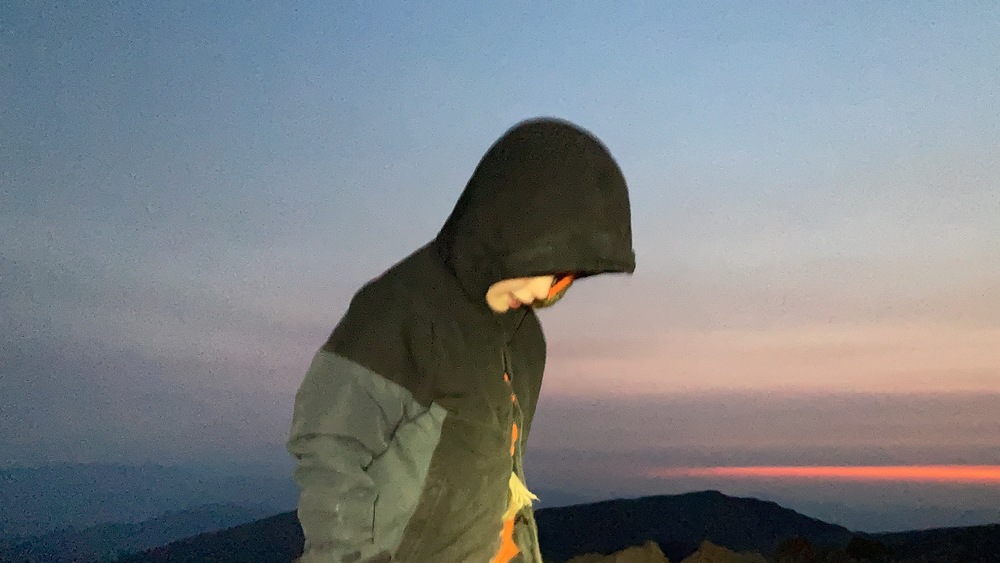 We left the car at 0200 and were back at the car by 0800. He often goes low in the early morning 0100-0430, but his sugars stayed up a lot longer than I expected. It was really weird. Usually I have to start giving him 10g snacks every 20-30 minutes after about 30 minutes of high intensity exertion, but he was flat as a pancake through two hours of climbing. At the time I chalked it up to the time of night, but in retrospect I’m not sure that makes sense. Maybe it was an altitude thing like the OP experiences. But it did make me think, for those of you who notice a difference at altitude, have you tried visiting altitude at different times of the day? Is the difference consistent (always higher/lower), or does it vary throughout the day (different in the morning , but “normal” in the afternoon)? |


