
 Continue with onX Maps
 Sign in with Facebook






Recommendations on hexes



|
Gloweringwrote: ^ Interesting because they look so much lighter. A BD #10 hex is 5.78 oz a #3 C4 is 7.1 oz. So the hex is about 80% the weight of the cam. I would have though it was much lower. Exactly. People used to tell me they were "half the weight" and I took that at face value. Then I bought a scale and got curious. Best way to save weight climbing is to replace heavy carabiners with light ones. |
|
|
I wonder if hex development has stagnated since they are kind of an afterthought nowadays. Cams have made steady weight reductions over the last 20 years. Seem like hexes could have too. |
|
|
Not half the weight but you can have a large hex and a small Tricam or nut for the weight of a cam. And you can get a set of nuts for the price of a cam. |
|
|
I like torque nuts a lot. |
|
|
If you insist on buying hexes get the dmm hexes. I have the wild country hexes I bought off ebay for a good price when i was first starting off in trad climbing and even though i seldom use them, I wish i had the dmm version. |
|
|
Complete waste of money |
|
|
Theyre not as easy to set or remove as a cam. I think wires on hexes really suck. Also, the solid hexes, the small hexes, suck. Nuts are better in the small-hex range. I significantly prefer the BD hexes, slung w cord. I have also used hexes as hammers, slings, and rappel devices. They are good at belays, cause you're standing in a spot to fiddle w em w both hands. |
|
|
Not Hobo Greg wrote: I would bet they could be significantly lightened with an engineered structure (as opposed to a solid uniform thickness wall). Some old hexes had circular holes in them (probably drilled). A modern hex could use a structure similar to cam lobes. Look how much cam lobes have evolved in 20 years. But probably not worth it investment wise due to the limits sales numbers of hexes. Biners have also evolved from round bar stock, to forged I beam construction. 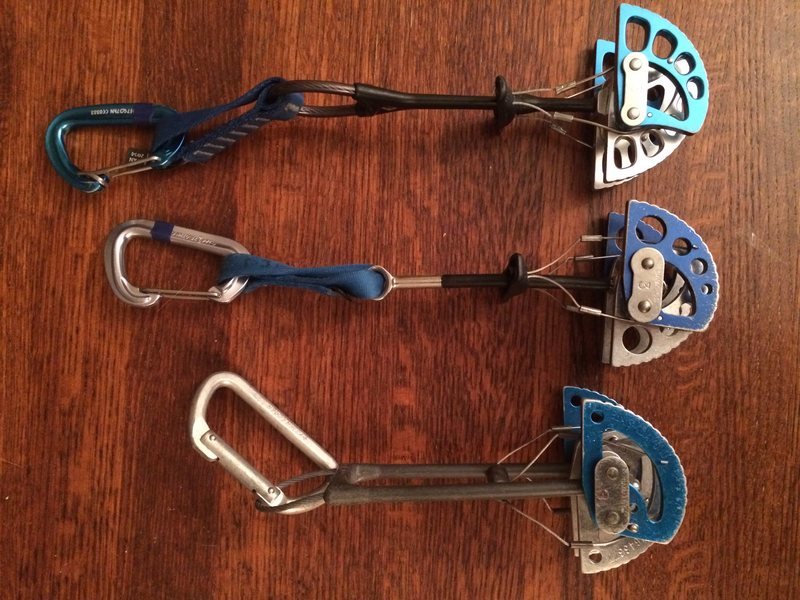 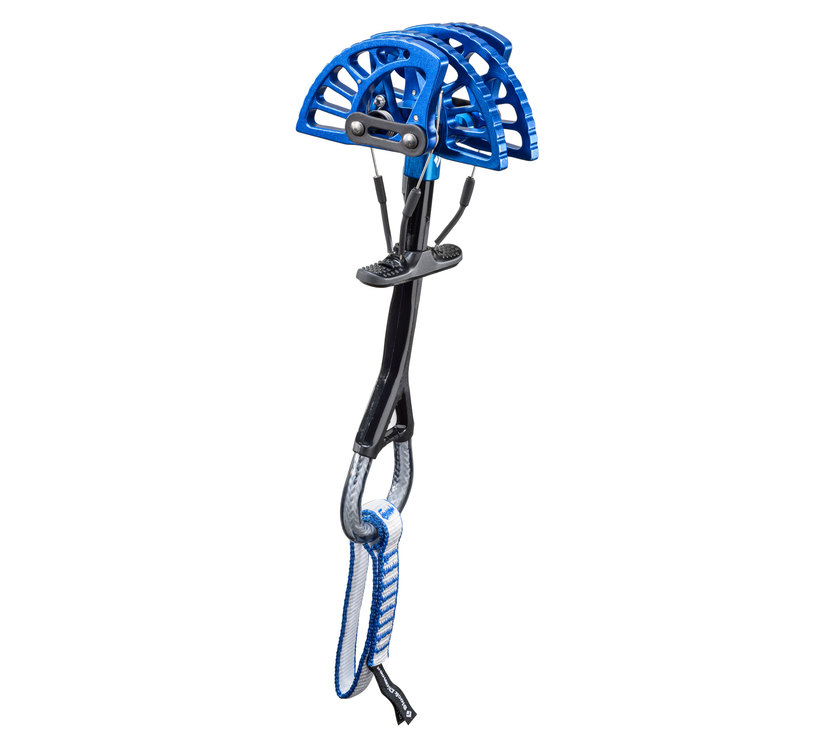 Quick sketch to show what I mean. 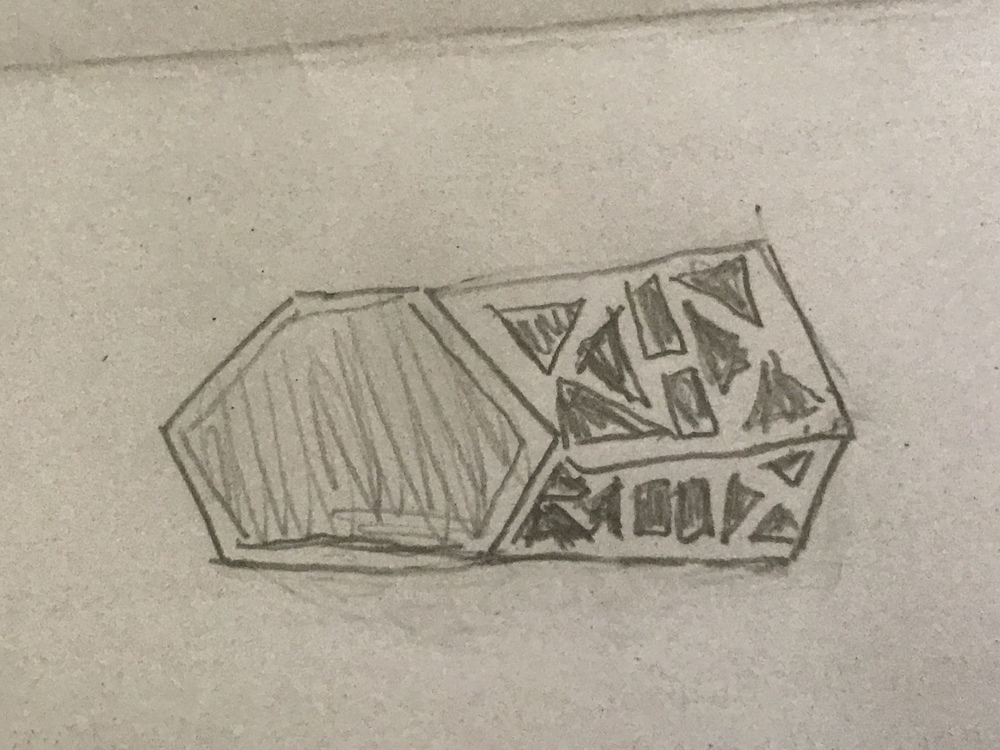 |
|
|
If you are new to trad climbing you probably shouldn’t be leading on hexes. If I had to lead a climb near my limit with a rack full of hexes, I’d be pretty damn nervous. |
|
|
Picked up some of the larger WC hexes and found them to be very "tinkly" sounding (vs. clanky). So if the noise factor is important to you, there's that. I still prefer the BD/Chouinard style but slung on cord (vs. wired). Having said that, hexes usually get left behind these days. Sometimes will rack one biner with BD 4-7 on long pitches. The small wired ones look attractive, but (as someone said upthread) are redundant and rarely fit better than a similarly sized nut. |
|
|
I started climbing with hexes in the 70’s and early 80’s. They work fine and are bomber when well placed ( and yes occasionally they are the only piece for some constrictions in a crack - but skip that placement and put a cam above or below it). A cam allows many more options for use on a pitch and they are faster to plug in on hard leads. They are also more versatile across many rock types. As previously stated cams weights are now similar. I still have a lot of hexes but only bring them into the mountains where I carry a few when attempting new routes as they are cheaper and I prefer leaving them behind if they are bomber in situations where I need to bail off the wall. Just commit to buying a double set of cams to three inches (plus a big one) and some wires plus light carabiners and you will be able to climb pretty much any trad route anywhere (except Elbstanstien where you need knots) with more safety than if all you have is hexes. |
|
|
Hex placements make adventures seem more adventurous. |
|
|
I hate to say this but when deciding who’s advice to take on buying cams or hexes it might be a good thing for you to look at the grade that those people who are telling you to buy hexes climb at. I know it’s true that all the old greats used hexes back in the day and ‘they climbed so much harder than us’ but you can make your own decision if the people who are giving you advice to buy hexes top lead grade is 5.8 trad. If you start looking at people that climb harder and ask them if they climb with hexes you probably won’t get too many people that do that anymore except for nostalgia. Make your own decision obviously. I’d buy cams. |
|
|
Jon Hartmannwrote: I hate to say this but when deciding who’s advice to take on buying cams or hexes it might be a good thing for you to look at the grade that those people who are telling you to buy hexes climb at. I know it’s true that all the old greats used hexes back in the day and ‘they climbed so much harder than us’ but you can make your own decision if the people who are giving you advice to buy hexes top lead grade is 5.8 trad. If you start looking at people that climb harder and ask them if they climb with hexes you probably won’t get too many people that do that anymore except for nostalgia. Make your own decision obviously. I’d buy cams. Funny you repeat what so many have said yet I see more n00bs with triple racks of cams flailing way more often than I see experienced climbers with a light rack. I wonder why? |
|
|
I don’t think it’s rocket science to understand why beginners are flailing with whatever gear they have. Beginners flail. That wasn’t my point at all. My point was when you start climbing higher level you trade in the hexes for cams because they are more versatile and convenient for when you’re on the sharp end. Unless you’d like to show me modern high end climbers (or even 5.10 trad climbers) that prefer to use hexes (not for the old school feel of it) on a regular biases? |
|
|
Jon Hartmannwrote: I don’t think it’s rocket science to understand why beginners are flailing with whatever gear they have. Beginners flail. That wasn’t my point at all. My point was when you start climbing higher level you trade in the hexes for cams because they are more versatile and convenient for when you’re on the sharp end. Unless you’d like to show me modern high end climbers (or even 5.10 trad climbers) that prefer to use hexes (not for the old school feel of it) on a regular biases? Oh, a higher level eh? I better go buy more stuff so I can climb at a higher level! Like so many have been taught before consumerism took over, learning to place passive gear is priceless. The nooblets read this shit and think theyll be safer with shiny cams even though they dont know how to constrict a stopper. 90%+ of climbers IMO waste money on cams they dont know how to place correctly. |
|
|
A person can set a cam incorrectly but guess what, a person can set a hex incorrectly also. You’re using an argument that says that hexes are better because a beginner doesn’t know how to set a cam? I didn’t go to college but I think your argument is called a false correlation argument?(Correct me if I’m wrong, I didn’t have a lot of the book learnin) It’s like saying a bike is safer than a car because teen drivers crash a lot. I mean...it’s your opinion man. I’m pretty sure the reasons people climb with cams is because they have more range, more placement opportunities, they weigh less and they’re quicker to place. You might think that beginners don’t know how to use cams but people who DO know how to use cams choose them over hexes for a reason. |
|
|
I'm still climbing on Hexes I bought back in the 70s. |
|
|
M Mobleywrote: Something I find really troubling is that some new trad leaders only use cams. I actually went out with a guy who had a shiny new set of cams and didn't know what to do with the nuts I handed him when I said the pitch required them due to rock quality and placement options. I don't use my hexes as much as I used to, but I keep them for times when I know the route calls for passive pro and cams are actually unwise. |
|
|
Since my main crag is all single pitch trad, I love building a rap anchor to be left at the top all day out of hexes. Much smarter in my opinion than leaving $100 worth of cams unattended 95% of the day. |


